Documentary short subject preserved by the Academy Film Archive, from the Marshall Plan Collection, in 2003.
Director: Alain Pol
Writers: Pierre Grimblat
Keywords
Jean Rigaux
(Narrator)
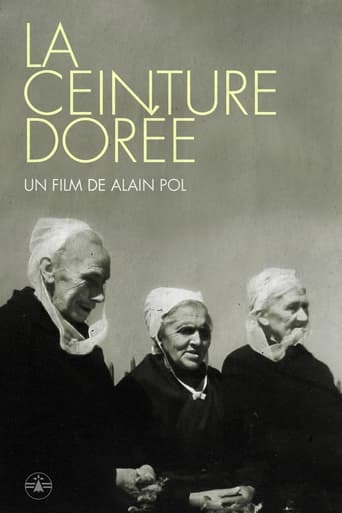
La Ceinture Dorée is an institutional documentary film on the Brittany region in France. The different scenes describe the daily life of the Bretons, starting with a geography lesson on Brittany in a classroom. Then a Breton landscape where a painter paints a house, women in headdresses in a procession, bell towers and forgiveness, prayers at Calvaries. Then follow the plans of the boats at the dock and the work of the oyster farmers. Lobster ponds, algae collectors and fertilizer collection. Daily life of the Leonards, preparation of pancakes in front of the fireplace and pancake meal. etc
1947
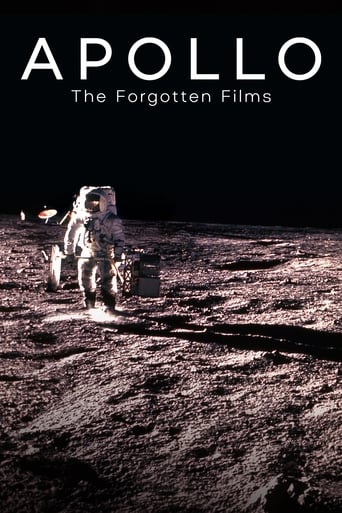
Recently discovered footage reveals the secret history of NASA's first landing on the moon, and using this brand-new evidence, former astronauts and experts challenge everything known about the Apollo missions.
2019
A documentary about four African-American comediennes set in 1984. Restored in 2021 by the Academy Film Archive.
1983
The people, the scenery and the industrial traditions of the Stroud valley and the growth of the woollen industry.
1951
This short film takes a look at the off-screen personas of screen actors. Preserved by the Academy Film Archive in 2012.
1950
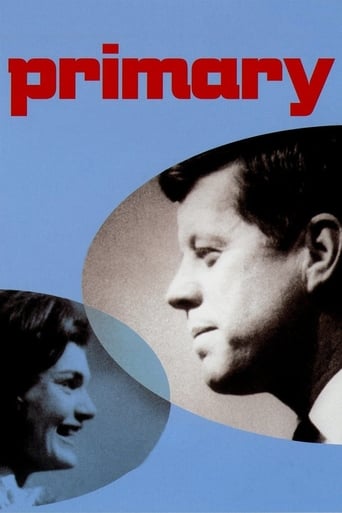
Primary is a documentary film about the primary elections between John F. Kennedy and Hubert Humphrey in 1960. Primary is the first documentary to use light equipment in order to follow their subjects in a more intimate filmmaking style. This unconventional way of filming created a new look for documentary films where the camera’s lens was right in the middle of what ever drama was occurring. Preserved by the Academy Film Archive in partnership with The Film Foundation in 1998.
1960
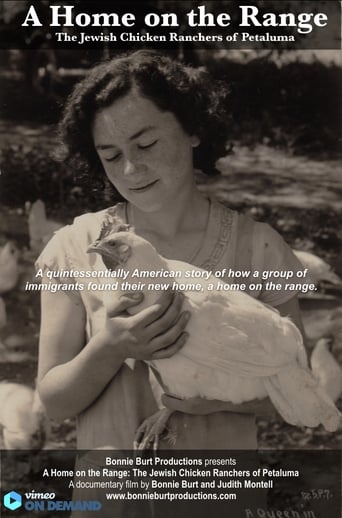
"A Home On The Range" tells the little-known story of Jews who fled the pogroms and hardships of Eastern Europe and traveled to California to become chicken ranchers. Even in the sweatshops of New York they heard about Petaluma where the Jews were not the shopkeepers and the professionals, they were the farmers. Meet this fractious, idealistic, intrepid group of Eastern European Jews and their descendants as they confront obstacles of language and culture on their journey towards becoming Americans. Jack London, California vigilantes, McCarthyism, the Cold War and agribusiness all come to life in this quintessentially American story of how a group of immigrants found their new home, a home on the range.
2002
King Corn is a fun and crusading journey into the digestive tract of our fast food nation where one ultra-industrial, pesticide-laden, heavily-subsidized commodity dominates the food pyramid from top to bottom – corn. Fueled by curiosity and a dash of naiveté, two college buddies return to their ancestral home of Greene, Iowa to figure out how a modest kernel conquered America. With the help of some real farmers, oodles of fertilizer and government aide, and some genetically modified seeds, the friends manage to grow one acre of corn. Along the way, they unlock the hilarious absurdities and scary but hidden truths about America’s modern food system in this engrossing and eye-opening documentary.
2007
Produced by the Army Pictorial Service, Signal Corps, with the cooperation of the Army Air Forces and the United States Navy, and released by Warner Bros. for the War Activities Committee shortly after the surrender of Japan. Follow General Douglas MacArthur and his men from their exile from the Philippines in early 1942, through the signing of the instrument of surrender on the USS Missouri on September 1, 1945. Preserved by the Academy Film Archive in 2013.
1945
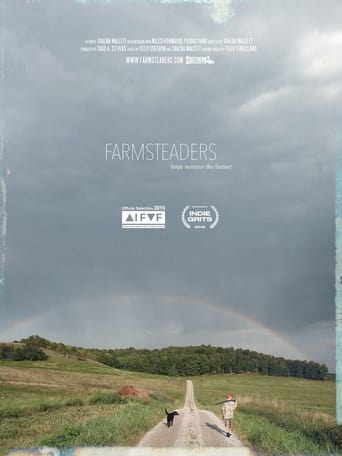
Clear-eyed and intimate, Farmsteaders follows Nick Nolan and his young family on a journey to resurrect his late grandfather’s dairy farm as agriculture moves toward large-scale farming. A study of place and persistence, Farmsteaders points an honest and tender lens at everyday life in rural America, offering an unexpected voice for a forsaken people: those who grow the food that sustains us.
2018
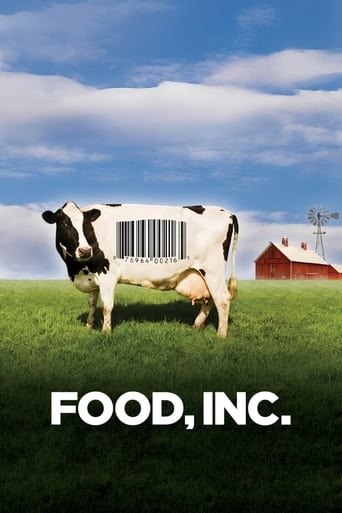
Documentary filmmaker Robert Kenner examines how mammoth corporations have taken over all aspects of the food chain in the United States, from the farms where our food is grown to the chain restaurants and supermarkets where it's sold. Narrated by author and activist Eric Schlosser, the film features interviews with average Americans about their dietary habits, commentary from food experts like Michael Pollan and unsettling footage shot inside large-scale animal processing plants.
2008
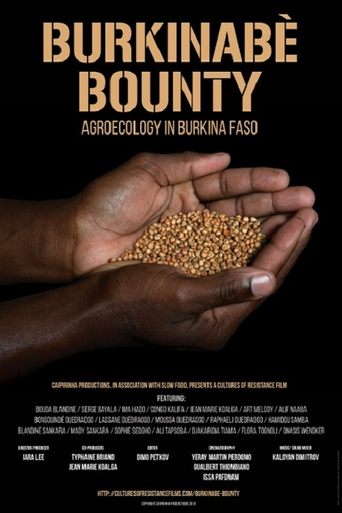
This documentary chronicles agricultural resistance and the fight for food sovereignty in Burkina Faso – a small, landlocked country in West Africa. Showcasing activist farmers, students, artists and leaders in the local Slow Food movement, the film looks at how the Burkinabé people are reclaiming their land and defending their traditions against the encroachment of corporate agribusiness. From women gaining economic independence by selling artisanal “dolo” beer, to youth marching in the streets against companies like Monsanto, to hip-hop musicians setting up their own farms and reviving the revolutionary spirit of Thomas Sankara through their music, Burkinabè Bounty shows the creative tactics people are using to take back control of their food, seeds, and future.
As artificial intelligence becomes ever more sophisticated, the film industry is split between enthusiasm at what the technology can achieve and concern over the future for human workers in the industry. Will actors and actresses be replaced by machines? An overview on the coming wave of AI in cinema.
2024
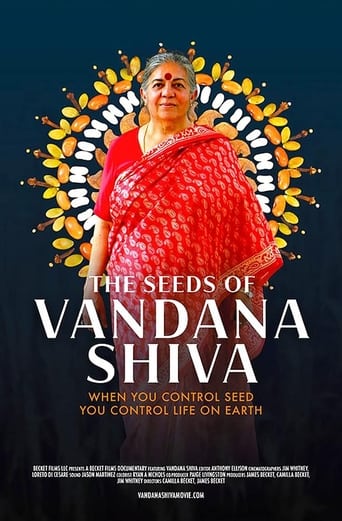
How did the willful daughter of a Himalayan forest conservator become Monsanto’s worst nightmare? The Seeds of Vandana Shiva tells the remarkable life story of Gandhian eco-activist Dr. Vandana Shiva, how she stood up to the corporate Goliaths of industrial agriculture, rose to prominence in the regenerative food movement, and inspired an international crusade for change.
2021
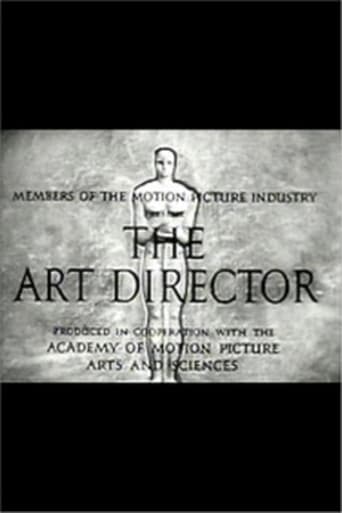
A film's art director is in charge of the set, from conception to construction to furnishing. This short film walks the viewer through art directors' responsibilities and the demands on their talents. They read a script carefully and design a set to capture the time and place, the social strata, and the mood. They must be scholars of the history of architecture, furnishings, and fashion. They choose the colors on a set in anticipation of the lighting and the mood. Their work also sets styles, from Art Deco in the 20's to 30s modernism. Then it's on to the next project. Preserved by the Academy Film Archive in 2012.
1949
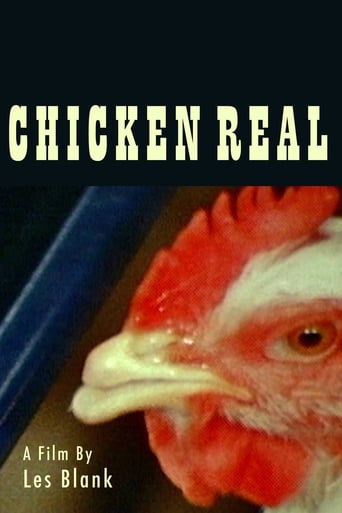
One of Les Blank's industrial films, which follows a Holly Farms "broiler" chicken from factory incubation to the county fair barbecue pit. A hilarious, disturbing and surreal look at a large-scale chicken farm producing 156 million chickens a year! Film includes lots of chicken songs and music recorded live in the Blue Ridge Mountains of North Carolina. Preserved by the Academy Film Archive in 2013.
1970
2026
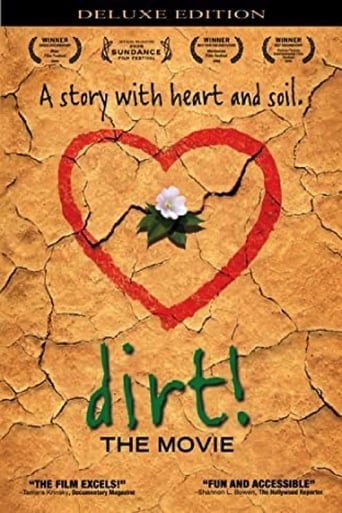
A look at man's relationship with Dirt. Dirt has given us food, shelter, fuel, medicine, ceramics, flowers, cosmetics and color --everything needed for our survival. For most of the last ten thousand years we humans understood our intimate bond with dirt and the rest of nature. We took care of the soils that took care of us. But, over time, we lost that connection. We turned dirt into something "dirty." In doing so, we transform the skin of the earth into a hellish and dangerous landscape for all life on earth. A millennial shift in consciousness about the environment offers a beacon of hope - and practical solutions.
2009
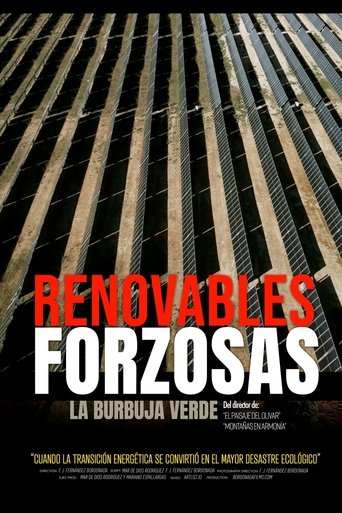
In Lopera (Jaén), the ecological transition has turned into a nightmare: centuries-old olive groves are being uprooted to make way for massive photovoltaic plants, in an unfair battle between powerful corporations and the local community. Through firsthand testimonies, striking visuals, and an analysis of the current energy model, Forced Renewables reveals how progress, when poorly planned and disconnected from rural life, can lead to an unprecedented ecological, social, and economic disaster.
2025
A partnership between the Government of Mali and an American agricultural investor may see 200-square kilometers of Malian land transformed into a large-scale sugar cane plantation. Land Rush documents the hopes, fears, wishes, and demands of small-scale subsistence farmers in the region who look to benefit, or lose out, from the deal.
2012