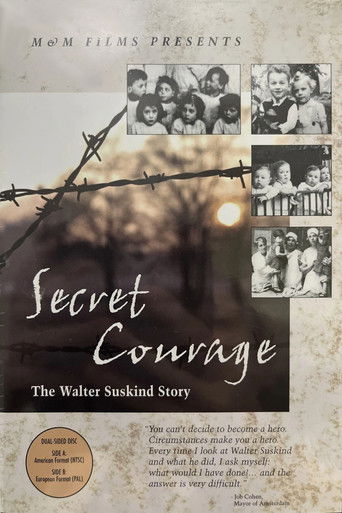
The power of an unbreakable bond between a mother and her daughter during the Holocaust. Her heartbreaking separation from her mother, her escape with help from the French Resistance in Paris, and her vivid memories of the D-Day bombings.
In 1944, two prisoners miraculously escaped from Auschwitz. They told the world of the horror of the Holocaust and raised one of the greatest moral questions of the 20th century.
2019
The documentary tells the life story of Margot Friedländer, a 101-year-old Berlin native who survived the Holocaust and was awarded the Federal Cross of Merit, First Class, in January of this year.
2023
In 1938, the Jew and political activist Ernst Federn was arrested by the Nazis in Vienna, taken to Dachau concentration camp and later to Buchenwald. He was imprisoned there for seven years - and survived. In the documentary, Ernst Federn, who emigrated to the USA after the war, talks about the terror he experienced.
1992
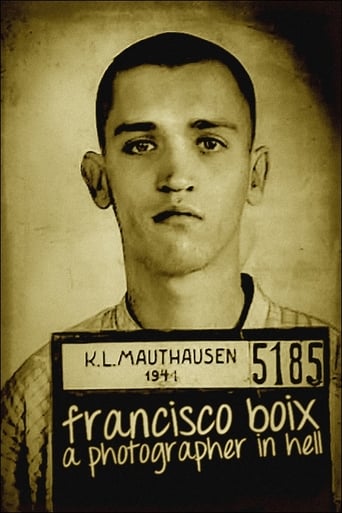
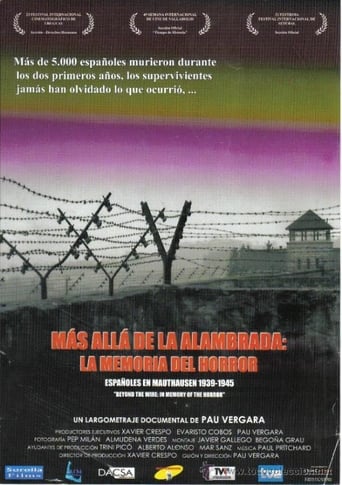
In 1939, just finished the Spanish Civil War, Spanish republican photographer Francesc Boix escapes from Spain; but is captured by the Nazis in 1940 and imprisoned in the Mauthausen concentration camp, in Austria, a year later. There, he works as a prisoner in the SS Photographic Service, hiding, between 1943 and 1945, around 20,000 negatives that later will be presented as evidence during several trials conducted against Nazi war criminals after World War II.
2000
The secret Nazi death camp at Sobibor was created solely for the mass extermination of Jews. But on the 14th October 1943, in one of the biggest and most successful prison revolts of WWII, the inmates fought back.
2014
Fear and fascination arise in Muriel Grey when she remembers the figure of her father, who passed away when she was still very young. Thirty years after his death, Muriel will tell us the story of José Carlos Grey, a Black Holocaust survivor, freedom fighter in the Spanish Civil War and the French Resistance, and one of the only Black men known to have been imprisoned at the Mauthausen concentration camp in Austria.
Former classmates at a school in the Southern Germany city of Ulm, Jewish and non-Jewish, recall their childhood in Nazi Germany.
1998
2005
A documentary about three teenage girls--Barbara Rodbell, Shulamit Lack, and Faye Schulman--and their efforts to survive the Jewish Holocaust in different European countries.
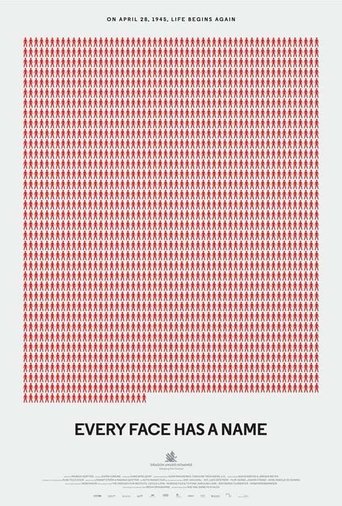
Recalls the day when Holocaust survivors took their first steps into freedom, unaware of their future. Every Face Has a Name puts a name on those nameless faces and lets them recount their feelings of that day, the 28th of April, 1945.
2015
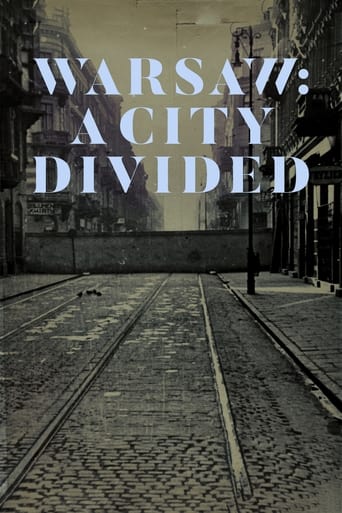
The history of the Warsaw Ghetto (1940-43) as seen from both sides of the wall, its legacy and its memory: new light on a tragic era of division, destruction and mass murder thanks to the testimony of survivors and the discovery of a ten-minute film shot by Polish amateur filmmaker Alfons Ziółkowski in 1941.
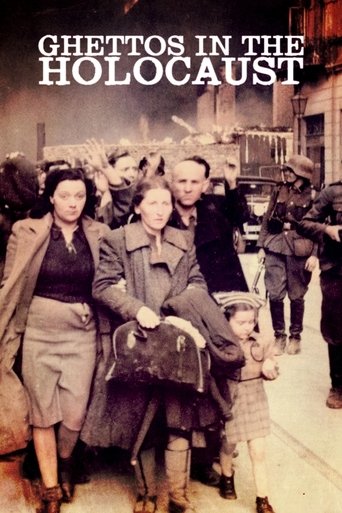
The gruesome story of the Jewish ghettos during the Nazi occupation of Eastern Europe in the dark days of World War II, based on the records written by their inhabitants, who bear witness to the human tragedy of the Shoah; but also to an indomitable will to live.
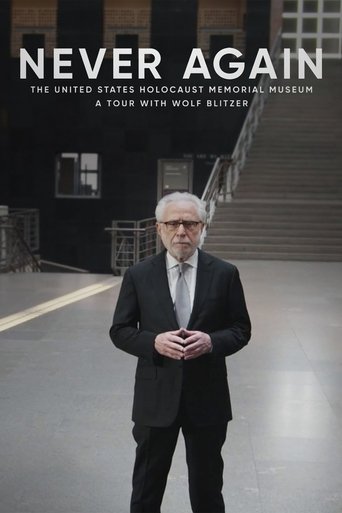
The child of Holocaust survivors, CNN Anchor Wolf Blitzer, takes viewers through the United States Holocaust Memorial Museum and beyond, connecting the hours of the Holocaust and their modern parallels and his family story.
2022
As a 10-year-old “Mengele Twin,” Eva Kor suffered some of the worst of the Holocaust. At 50, she launched the biggest manhunt in history. Now in her 80s, she circles the globe to promote the lesson her journey has taught: Healing through forgiveness.
2018
Eva Mozes Kor recounts her experiences during the Holocaust.
2017
A virtual visit aboard the International Space Station, making the dreams of millions of people around the world come true.
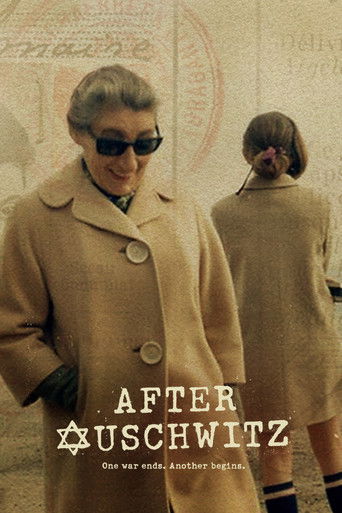
For six female Holocaust survivors, liberation from the camps marked the beginning of a lifelong struggle.
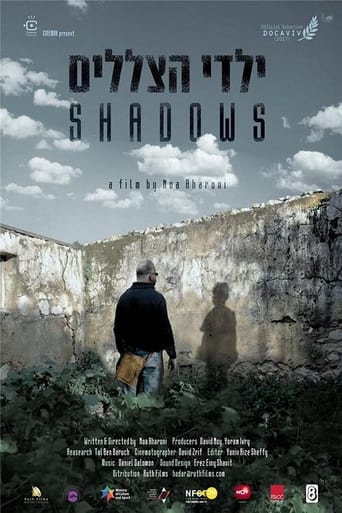
The stories of Eitan, Yigal and Miri show how long the past can cast its shadows. Their Holocaust-surviving parents were abused by the Nazis, then became abusers themselves—their fear and grief transformed into aggression and anger towards their children. For the first time on-screen, children of Holocaust survivors talk openly about the mental and physical suffering they experienced. Stories of abuse contrast with cheerful-looking black-and-white photos of the families. Even the grandchildren appear to be suffering from their parents’ burden of sorrow and pain. The children's attempt to talk about the past, as with Eitan and his ailing mother and Miri with her son, seem futile. The palpable inability to make contact is almost unbearable. Shadows asks the unavoidable questions: how long will the Holocaust continue to exert its evil influence on future generations, and how can the demons of the past be exorcised?
2016
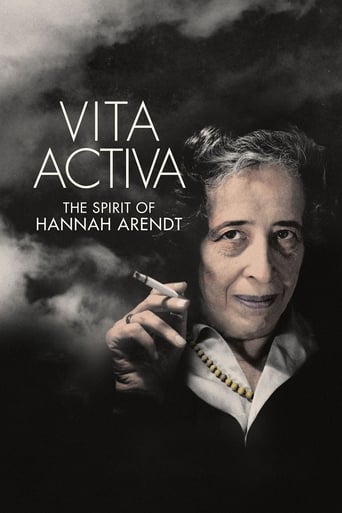
The life and work of German political philosopher of Jewish descent Hannah Arendt (1906-75), who caused a stir when she coined a subversive concept, the banality of evil, in her 1963 book on the trial of Nazi war criminal Adolph Eichmann (1906-62), held in Israel in 1961, which she covered for the New Yorker magazine.