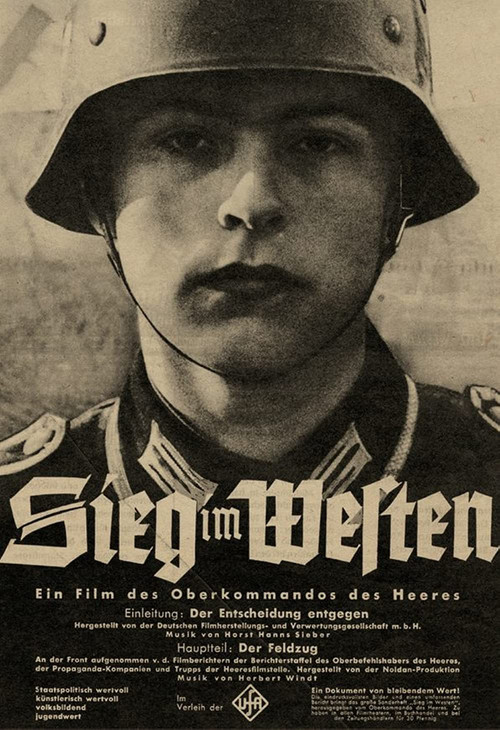
A Nazi propaganda film about the lead up to World War II and Germany's success on the Western Front. Utilizes newsreel footage of battles and fell into disfavour with propaganda minister Goebbels because of it's lack of emphasis on Adolf Hitler.
A WWII film about children evacuated from Britain and sent to Canada for their safety. The film begins in England with children seeking shelter as anti-aircraft guns roar outside. On their arrival in Canada, they are thrilled by the brightly lit cities, powerful Canadian trains, hot dogs and ice cream. They find, too, that instead of becoming Mounties or cowboys, they have to go to school. The closing sequence shows them learning to ski and skate and preparing for Christmas in their new homes.
1940
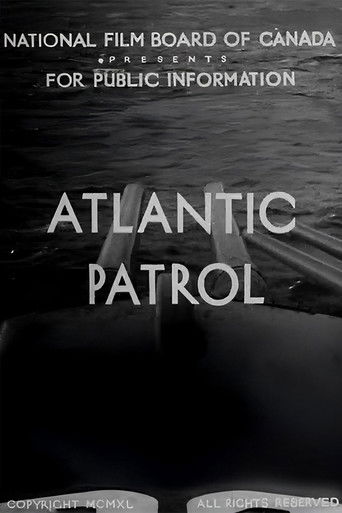
A wartime documentary following Canadian convoy operations and naval escort duties in the North Atlantic during the early years of World War II.
The untold story of a Royal "propagandist in pearls" whose wartime friendship with President Roosevelt became a vital catalyst to win back freedom for her tiny occupied country.
2008
The story of black and mixed race people in Nazi Germany who were sterilised, experimented upon, tortured and exterminated in the Nazi concentration camps. It also explores the history of German racism and examines the treatment of Black prisoners-of-war. The film uses interviews with survivors and their families as well as archival material to document the Black German Holocaust experience.
1997
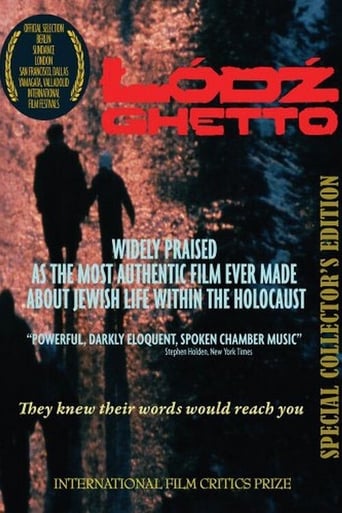
The Polish city of Łódź was under Nazi occupation for nearly the entirety of WWII. The segregation of the Jewish population into the ghetto, and the subsequent horrors are vividly chronicled via newsreels and photographs. The narration is taken almost entirely from journals and diaries of those who lived–and died–through the course of the occupation, with the number of different narrators diminishing as the film progresses, symbolic of the death of each narrator.
1989
Between 1942 and 1944 some 24,916 Jews were deported from Belgium to Auschwitz. The roundups and deportations were organized and carried out by the Nazis with the - not always conscious - cooperation of Belgian authorities. The attitude of the authorities here varied from outright resistance to voluntary or unwitting collaboration.
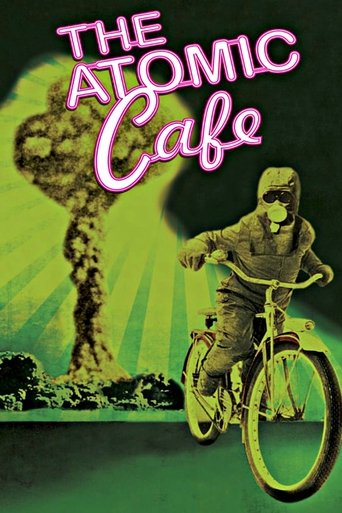
A disturbing collection of 1940s and 1950s United States government-issued propaganda films designed to reassure Americans that the atomic bomb was not a threat to their safety.
1982
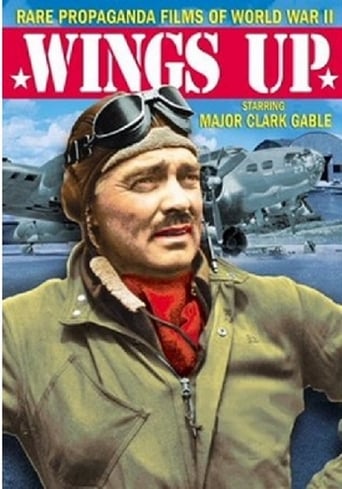
Clark Gable stars in this propaganda short about the Officers Candidate School of the Army Air Forces.
1943
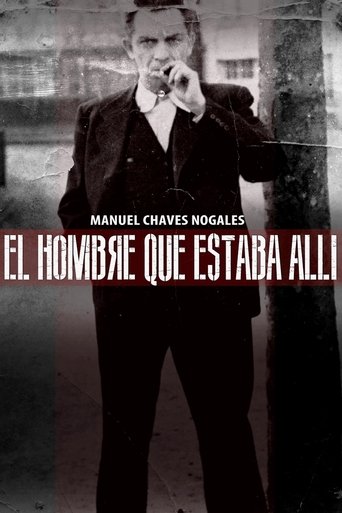
The Spanish journalist Manuel Chaves Nogales (1897-1944) was always there where the news broke out: in the fratricidal Spain of 1936, in Bolshevik Russia, in Fascist Italy, in Nazi Germany, in occupied Paris or in the bombed London of World War II; because his job was to walk, see and tell stories, and thus fight against tyrants, at a time when it was necessary to take sides in order not to be left alone; but he, a man of integrity to the bitter end, never did so.
2013
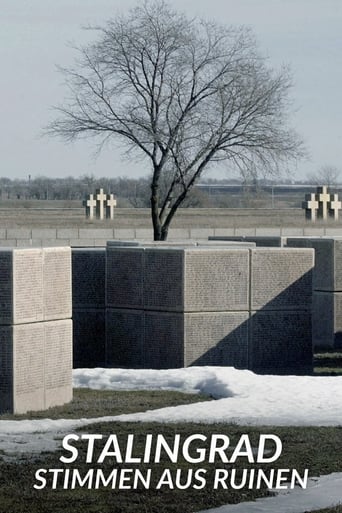
Featuring excerpts from diaries and letters written by local residents and soldiers from both sides, the documentary tells the story of the Battle of Stalingrad through the voices of those who lived it.
2023
Dramatization of the time around the first Danish Social Democrats and the Battle of Fælleden. A social blockbuster produced for AOF.
1932
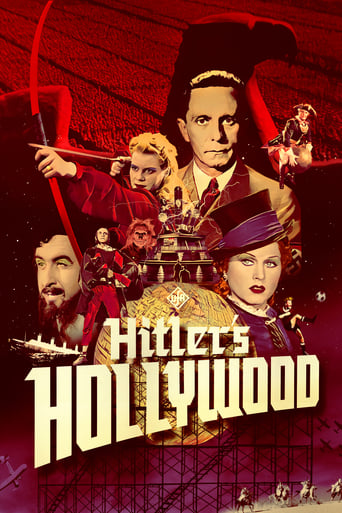
Film journalist and critic Rüdiger Suchsland examines German cinema from 1933, when the Nazis came into power, until 1945, when the Third Reich collapsed. (A sequel to From Caligari to Hitler, 2015.)
2017
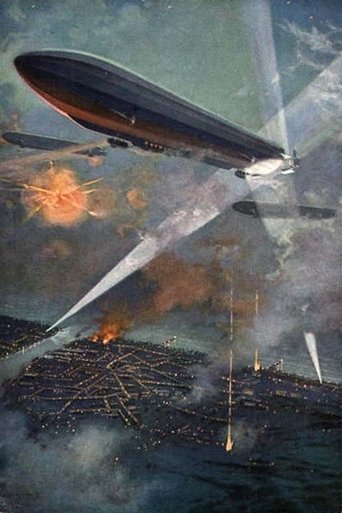
Engineer Dr Hugh Hunt revisits the little-known story of the First World War's Blitz, when the Zeppelin waged an 18-month terror campaign on the people of London.
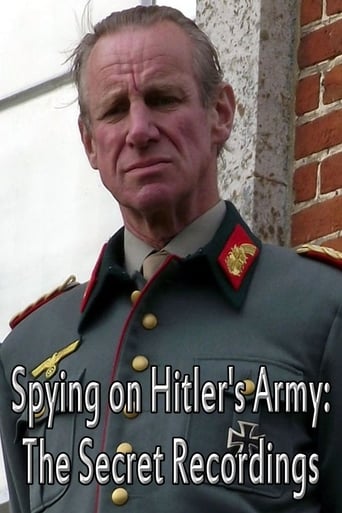
British intelligence undertook an audacious operation to listen in on the private conversations of 10,000 German prisoners of war without their ever knowing they were being overheard. The prisoners' unguarded reminiscences and unintentional confessions have only just come to light, and prove how closely the German army were involved in the atrocities of the Holocaust. British intelligence requisitioned three stately homes for this epic task, and converted each into an elaborate trap. The 100,000 hours of conversation they captured provided crucial intelligence that changed the course of the war, and revealed some of its worst horrors, from rape to mass executions to one of the earliest bulletins from the concentration camps. But when the fighting ended, the recordings were destroyed and the transcripts locked away for half a century. Only now have they been declassified, researched and cross-referenced.
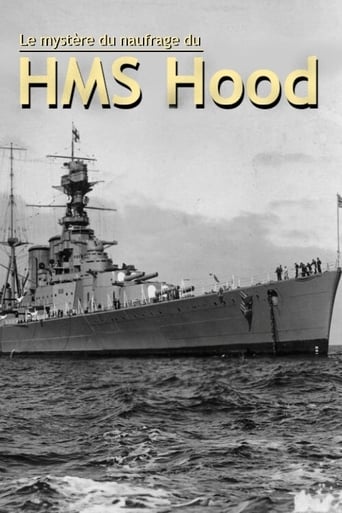
The 'mighty' Hood was the pride of the British Navy for more than 20 years, revered around the world as the largest and most powerful warship afloat. But when it was sunk by the German battleship Bismarck off the coast of Greenland on 24 May 1941, its end was shockingly swift.
2012
CHARBON depicts how Europe was built on fossil fuels over the past 100 years. And how it was torn apart by wars that were the result of these same fossil fuels. During 3 trips to Ukraine, Italy and Iraq, filmmaker Manu Riche explains how he and his French-German family are inseparably connected to the fate of the Iraqi filmmaker and refugee Hayder Helo.
2025
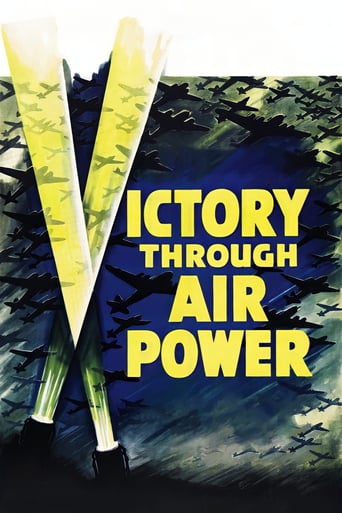
Based on the book by Major Alexander de Seversky's about his theories of the practical uses of long range strategic bombing. Using a combination of animation humorously telling about the development of air warfare, the film shows de Seversky illustrating his ideas of how air power could win World War II for the Allies.
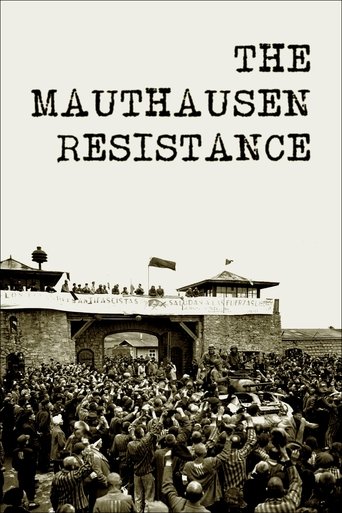
During World War II, the photographer Francisco Boix and other Spanish Republican prisoners of the Mauthausen concentration camp, where 120,000 people died, managed not only to survive their indescribable experience, but also, after the war, to reveal to the world what really happened in that hell, saving from destruction thousands of official photographs taken by the SS.
2021
Australian filmmaker Sophia Turkiewicz investigates why her Polish mother abandoned her and uncovers the truth behind her mother's wartime escape from a Siberian gulag, leaving Sophia to confront her own capacity for forgiveness.
2014
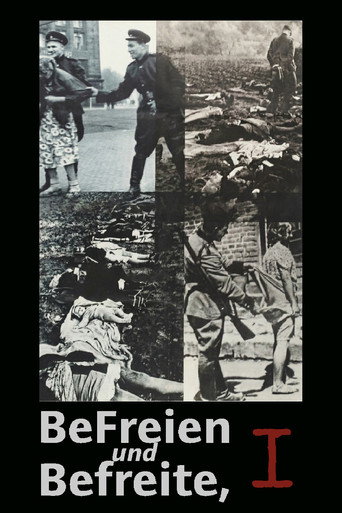
Based on years of research into the mass rapes committed by the Red Army at the end of the Second World War. In the first part of the documentary Helke Sander interviews multiple German women who were raped in Berlin by Soviet soldiers in May 1945. Most women never spoke of their experience to anyone, after 46 years of silence they talk for the first time publicly about their violent experiences that have left such a mark.
1992