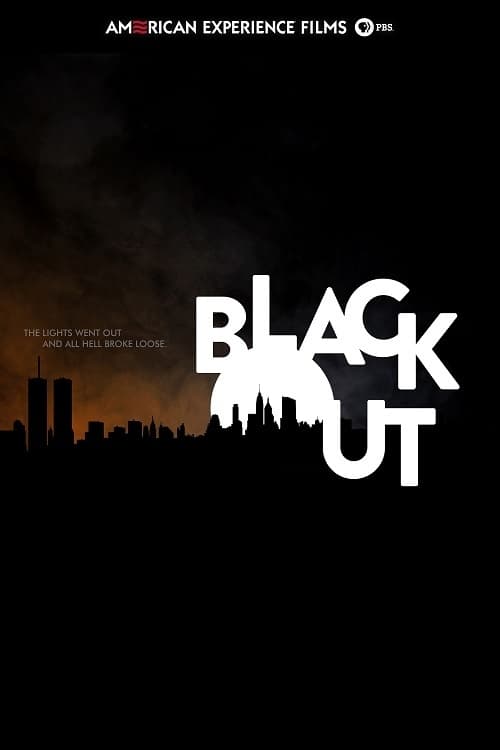
First responders, journalists, shop owners, those inside the pressure-packed control center of Con Edison on West End Avenue, and other New Yorkers tell about what happened when the lights went out on July 13, 1977.
2008
Another kind of biography, one that unravels the mysteries of Dalí, the conflicts with himself and with the characters with whom he had greater emotional involvement: his father, his sister Ana María, Gala and Lorca. They lead us to a Dalí from different eras.
2002
Animator. Storyman. Troublemaker. At 80 years old, see how Disney Legend Floyd Norman, the first African-American animator at Disney, continues to impact animation and stir up "trouble" after the company forced him to retire at age 65.
2016
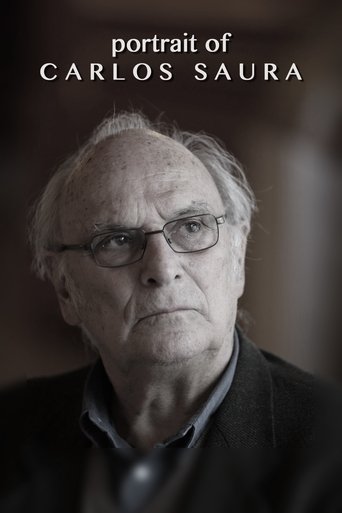
A documentary on the life and career of the Spanish auteur Carlos Saura.
2004
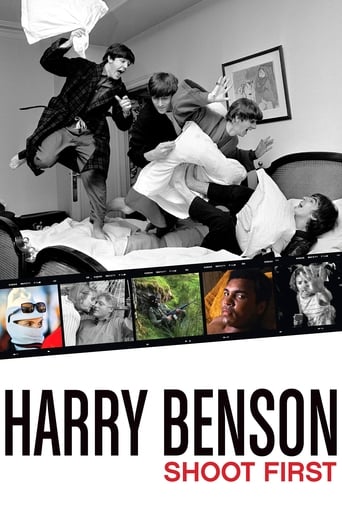
What we know today about many famous musicians, politicians, and actresses is due to the famous work of photographer Harry Benson. He captured vibrant and intimate photos of the most famous band in history;The Beatles. His extensive portfolio grew to include iconic photos of Muhammad Ali, Michael Jackson, and Dr. Martin Luther King. His wide-ranging work has appeared in publications including Life, Vanity Fair and The New Yorker. Benson, now 86, is still taking photos and has no intentions of stopping.
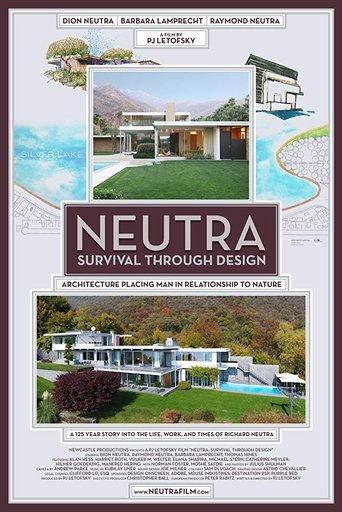
This insightful documentary feature from PJ Letofsky serves as a profile of iconic Austrian-American Architect Richard Neutra, whose work and legacy have helped shape the modern understanding of design, architecture and the interconnected fabric of nature. Today, Richard's legacy lives on through his son, Dion, who has taken up his father's mantle after nearly three-decades under his mentorship.
2019
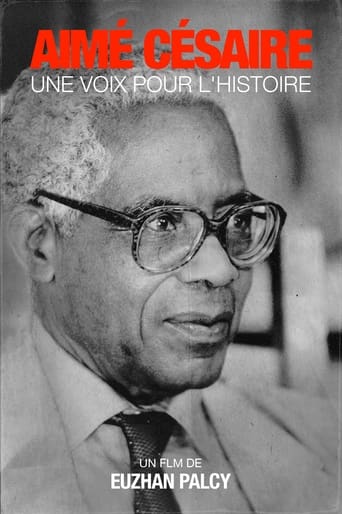
A three-part study that introduces audiences to the celebrated Martinican author Aimé Césaire, who coined the term "négritude" and launched the movement called the "Great Black Cry".
1995
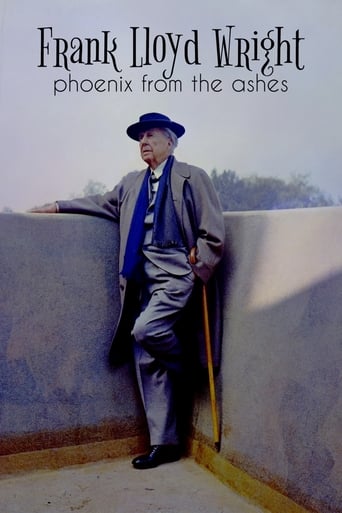
A portrait of Frank Lloyd Wright (1867-1959), a genius of modern architecture, whose life passed between glory, scandal and tragedy.
2020
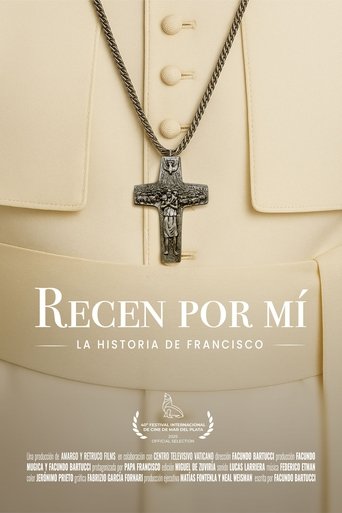
Pray for me: Pope Francis’ story is a documentary that follows the life journey of Pope Francis, with a particular focus on his social and humanitarian work. The film portrays a man deeply devoted to the causes of the poor, the marginalised, and the forgotten: from his early years in Argentina to his role as a spiritual leader on the global stage. Blending archival footage, personal testimonies, and a thoughtful, ethical perspective, the documentary offers an intimate and timely portrait of one of the most influential figures of our time.
2025
This "March of Time" entry examines the many problems, both human and economic, that faced the Allies in their respective zones of Germany -- USA, England and Russia -- following the end of World War II, and the Allied occupation of what was left of the country following the Nazi reign of Adolf Hitler. The Cold War issues had not yet fully surfaced, so this entry, with fleeting glances into each Zone of the time, traced what economic recovery had been made by the end of 1946, and how the average German citizen of 1946 was living...or getting by.
1947
An account of the personal and artistic life of the Spanish singer Peret (1935-2014), the artist who imaginatively mixed various musical styles, such as mambo, tanguillo and rock, to create the gypsy rumba. An epic adventure, from a humble neighborhood of Barcelona to the biggest stages of the world.
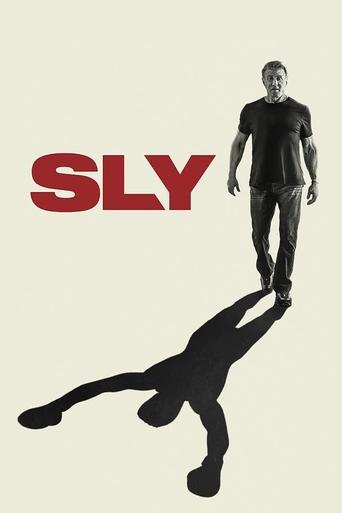
His love of film began as an escape from a rocky childhood. From underdog to Hollywood legend, Sylvester Stallone tells his story in this documentary.
2023
A never before seen look at the meteoric rise of Derrick Rose, the young Chicago superstar that was suddenly derailed by devastating injuries and unrealistic expectations for a hometown hero.
In 1794, French revolutionary Maximilien Robespierre produced the world's first defense of "state terror" - claiming that the road to virtue lay through political violence. This film combines drama, archive and documentary interviews to examine Robespierre's year in charge of the Committee Of Public Safety - the powerful state machine at the heart of Revolutionary France. Contesting Robespierre's legacy is Slavoj Zizek, who argues that terror in the cause of virtue is justifiable, and Simon Schama, who believes the road from Robespierre ran straight to the gulag and the 20th-century concentration camp. The drama, based on original sources, follows the life-and-death politics of the Committee during "Year Two" of the new Republic.
2009
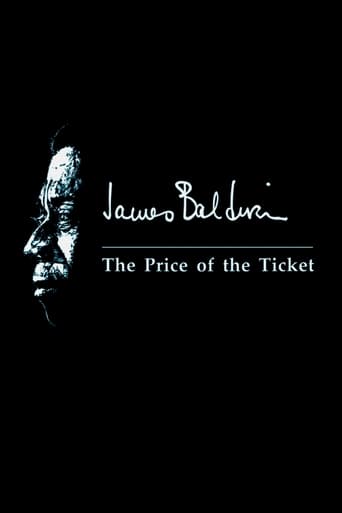
James Baldwin was at once a major 20th century American author, a Civil Rights activist and, for two crucial decades, a prophetic voice calling Americans, black and white, to confront their shared racial tragedy.
1989
Mustafa Kemal Atatürk was an Ottoman and Turkish army officer, revolutionary statesman, writer, and the first President of Turkey. He is credited with being the founder of the Republic of Turkey. His surname, Atatürk (meaning "Father of the Turks"), was granted to him in 1934 and forbidden to any other person by the Turkish parliament.
2005
In 1983, in Berlin, an American member of the secret service puts himself at the service of the GDR. This fascinating documentary tells the story of his life as a "passer-murailles". In 1983, American soldier Jeffrey M. Carney betrayed his country and defected to the East. At the time, he was working in Berlin for the NSA (National Security Agency), which intercepts Soviet airspace communications. But his patriotism and fervor for Reagan had waned: he felt underestimated by his colleagues and had discovered his homosexuality, for which he could be expelled from the army. One night of drinking, the young man crosses the demarcation line at Checkpoint Charlie with the aim of never returning...
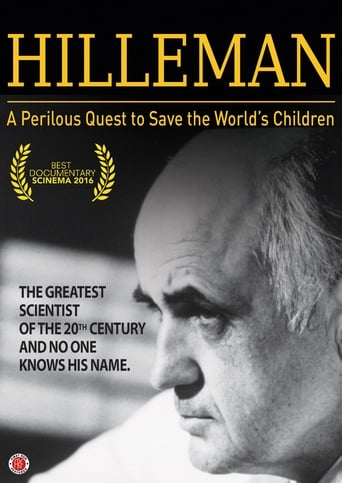
A Perilous Quest to Save the World’s Children tells the inspiring story of Dr. Maurice R. Hilleman, a man with a singular, unwavering focus — to eliminate the diseases of children. From his poverty-stricken youth on the plains of Montana, he came to prevent pandemic flu, develop the measles-mumps-rubella (MMR) vaccine, and invent the first-ever vaccine against human cancer.
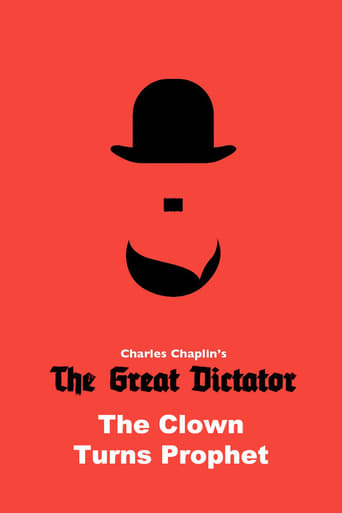
In this visual essay, Charles Chaplin biographer Jeffrey Vance, author of "Chaplin: Genius of the Cinema", draws upon a wealth of photography as well as a wide range of interviews (Paulette Goddard, Sydney Chaplin, Chuck Jones, Leni Riefenstahl, Mel Brooks, Joan Collins et al.) to examine the production history of "The Great Dictator", the film's importance as a satire, and legacy.
2011