In El Salvador, Chelino tells about the indigenous massacre of 1932, of which he survived, while he teaches the melodies of traditional Salvadoran dances.
Why wouldn't you? Is there any reason not to? We've got so much at our disposal, so, why don't you? Won't you tell me? Won't you please tell me? To have you down is simply unacceptable. Just look at this; or this; at all these hallmarks to guide you and convey to you the prime ways to feel lovely. Just follow them and you'll be set. So, I ask you again... Don't you feel lovely today?
2024
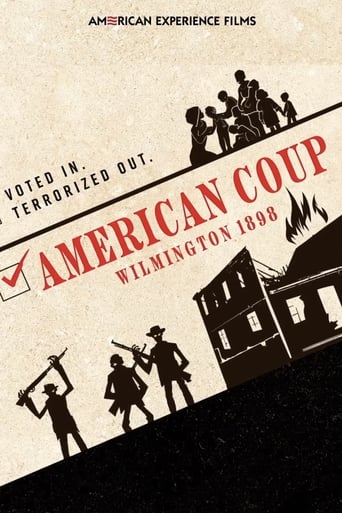
The little-known story of a deadly race massacre and carefully orchestrated insurrection in North Carolina’s largest city in 1898 — the only coup d’état in the history of the US. Stoking fears of 'Negro Rule', self-described white supremacists used intimidation and violence to destroy Black political and economic power and overthrow Wilmington’s democratically-elected, multi-racial government. Black residents were murdered and thousands were banished. The story of what happened in Wilmington was suppressed for decades until descendants and scholars began to investigate. Today, many of those descendants — Black and white — seek the truth about this intentionally buried history.
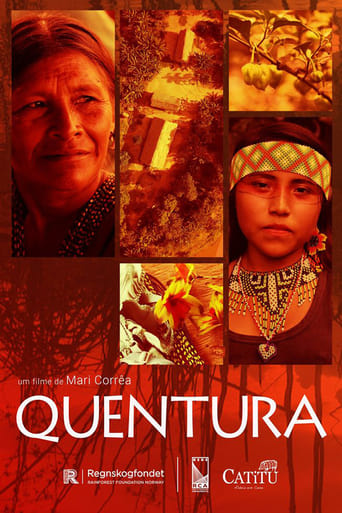
Too hot! The spawning fish do not come at the right time and the pepper plants end up dying in this heat. "This is a very different weather that not even the spirits can understand." From their gardens, homes, and backyards, the indigenous women of the Amazon involve us in their vast universe of knowledge while they observe the impacts of climate change in their ways of life.
2018
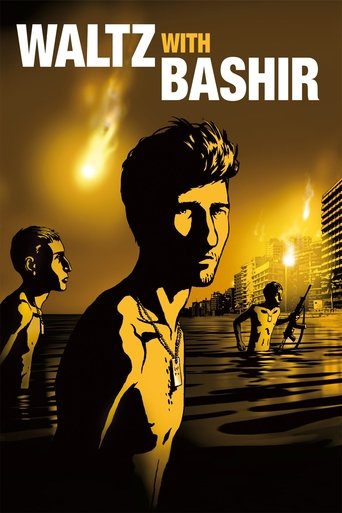
An Israeli film director interviews fellow veterans of the 1982 invasion of Lebanon to reconstruct his own memories of his term of service in that conflict.
2008
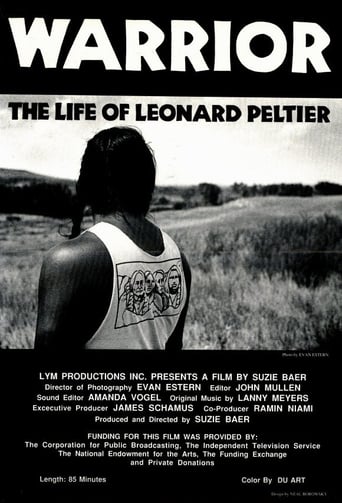
An intimate exploration of the circumstances surrounding the incarceration of Native American activist Leonard Peltier, convicted of murder in 1977, with commentary from those involved, including Peltier himself.
1991
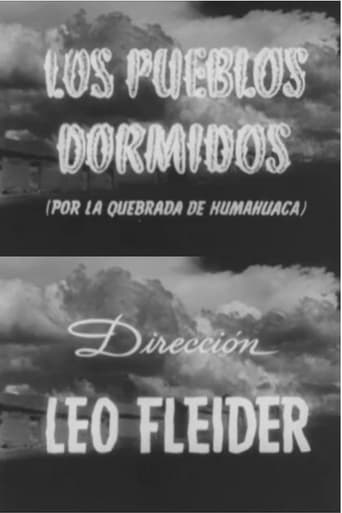
Documentary about the kolla people living in North Western Argentina.
1947
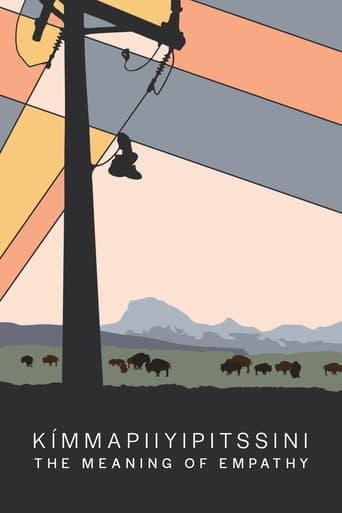
Follow filmmaker Elle-Máijá Tailfeathers as she creates an intimate portrait of her community and the impacts of the substance use and overdose epidemic. Witness the change brought by community members with substance-use disorder, first responders and medical professionals as they strive for harm reduction in the Kainai First Nation.
2021
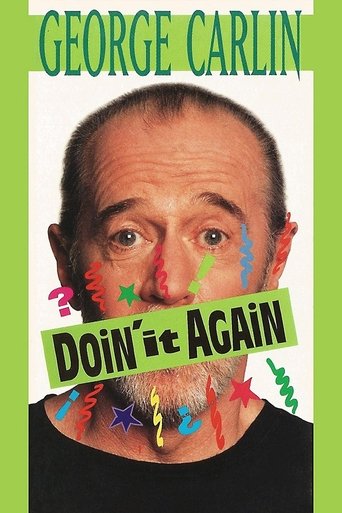
George Carlin brings his comedy back to New Jersey and this time talks about Offensive Language, Euphemisms, They're Only Words, Dogs, Things you never hear, see or wanna hear, Some people are stupid, Cancer, Feminists, Good Ideas, Rape, Life's moments, and organ donors.
1990
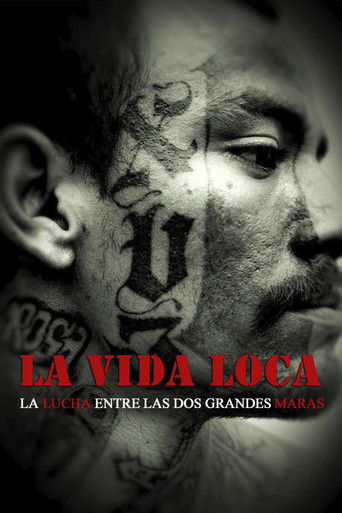
A documentary about the rival gangs Mara 18 and Mara Salvatrucha, originating in Los Angeles but terrorizing El Salvador. It explores their origins as possible founding myths of organized crime in a globalized world.
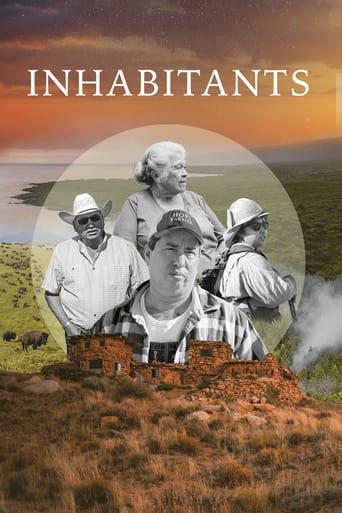
For millennia, Native Americans successfully stewarded and shaped their landscapes, but centuries of colonization have disrupted their ability to maintain their traditional land management practices. From deserts, coastlines, forests, mountains, and prairies, Native communities across the US are restoring their ancient relationships with the land. As the climate crisis escalates these time-tested practices of North America's original inhabitants are becoming increasingly essential in a rapidly changing world.
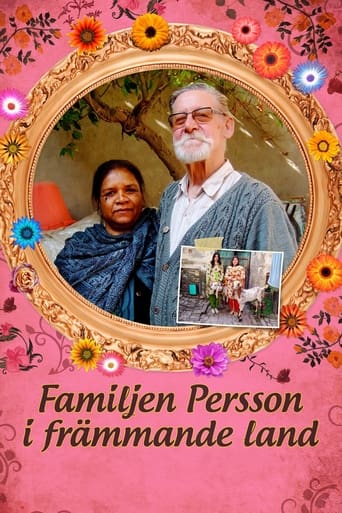
Per Persson left Sweden 40 years ago. In Pakistan he fell in love and became the father of two daughters. Trouble starts when the girls grow up and the family decides to emigrate to Sweden. When they end up living in a caravan outside Hässleholm, all their expectations are dashed.
2013
1970
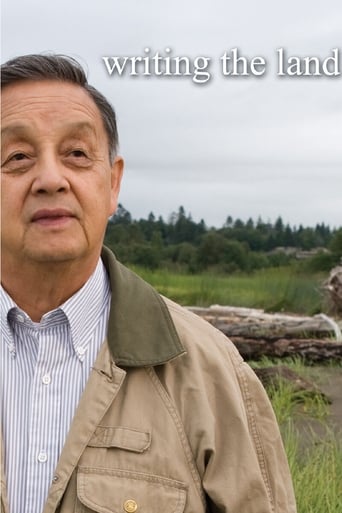
In this short documentary, a Musqueam elder rediscovers his Native language and traditions in the city of Vancouver, in the vicinity of which the Musqueam people have lived for thousands of years. Writing the Land captures the ever-changing nature of a modern city - the glass and steel towers cut against the sky, grass, trees and a sudden flash of birds in flight and the enduring power of language to shape perception and create memory.
2007
The conflict over forestry operations on Lyell Island in 1985 was a major milestone in the history of the re-emergence of the Haida Nation. It was a turning point for the Haida and management of their natural resources.
2015
This documentary takes you on a reflective journey into the extended family of Nova Scotia’s Mi'kmaq community. Revisiting her own roots, Mi'kmaq filmmaker and mother Catherine Anne Martin explores how the community is recovering its First Nations values, particularly through the teachings of elders and a collective approach to children-rearing. Mi'kmaq Family is an inspiring resource for both Indigenous and non-Indigenous audiences who are looking for ways to strengthen and explore their own families and traditions. We hear the Mi'kmaq language spoken and a lullaby is sung by a Mi'kmaq grandmother featured in the film.
1994
In 1999, Innu community members who, 40 years previously, had been forcibly relocated from their remote northern region of Labrador to established settlements in the province, return to Hebron to reminisce and reckon with the destructive impact the relocation had on their traditional ways of life and Indigenous identity. This film serves as a companion piece to Carol Brice Bennett’s book "IkKaumajannik Piusivinnik – Reconciling With Memories," and stands as the only known audio-visual document of the reunion of a resettled community in Newfoundland & Labrador.
2001
The world knows the image of the good Canadian. But what if there was a dark secret behind a national identity? THE GOOD CANADIAN exposes the truth behind the idea of a True North strong and free. In this unflinching and eye-opening documentary, directors Leena Minifie and David Paperny move us through the corridors of systemic inequity, from the Indian Act to residential schools, to modern-day family separation. Fusing shocking footage with detailed interviews with experts, advocates, whistleblowers and politicians, THE GOOD CANADIAN challenges national myth-making, while offering Canadians the chance to forge a new identity from the truth.
2025
In a continuation of her first film We Are Not Speaking the Same Language, Danika explains what it feels like to be displaced Indigenous urban.
2022
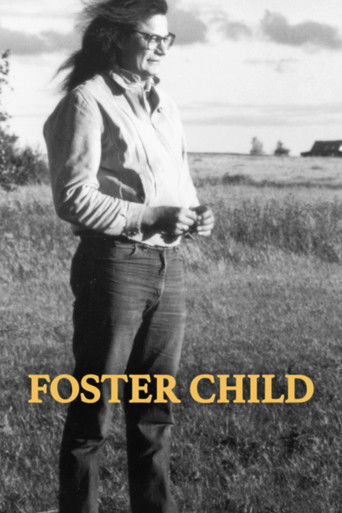
Gil Cardinal searches for his natural family and an understanding of the circumstances that led to his becoming a foster child. An important figure in the history of Canadian Indigenous filmmaking, Gil Cardinal was born to a Métis mother but raised by a non-Indigenous foster family, and with this auto-biographical documentary he charts his efforts to find his biological mother and to understand why he was removed from her. Considered a milestone in documentary cinema, it addressed the country’s internal colonialism in a profoundly personal manner, winning a Special Jury Prize at Banff and multiple international awards.
1987
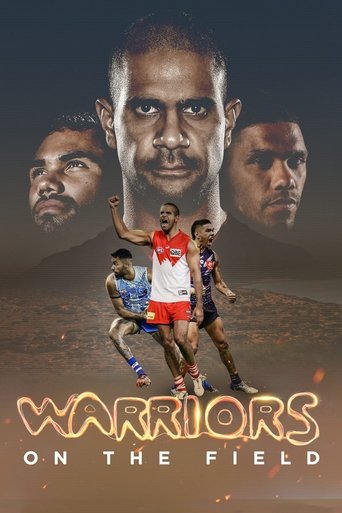
Through the lens of sport, AFL legend Michael O'Loughlin shines a light on the history and experience of the Indigenous Australian people. Current AFL players, Michael Walters and Tarryn Thomas, join O'Loughlin to unpack racism, discrimination and the unbreakable bond they each share with their indigenous communities.