Famous Spanish film critic Alfonso Sánchez talks about his personal life, his work and Anouk Aimée. A sentimental tribute to one of the most relevant figures on the Spanish film scene.
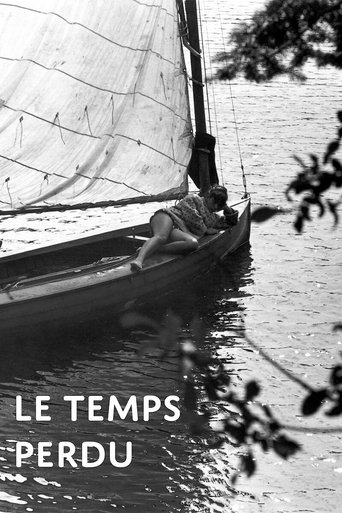
A 16 year old girl recalls the last moments of her summer vacation, spent with friends in the Laurentians north of Montreal. She reminisces about their talks on life, death, love, and God. Shot in direct cinema style, working from a script that left room for the teenagers to improvise and express their own thoughts, the film sought to capture the immediacy of the youths presence their bodies, their language, their environment.
1964
The best known, "Weegee's New York" (1948), presents a surprisingly lyrical view of the city without a hint of crime or murder. Already this film gives evidence, here very restrained, of Weegee's interest in technical tricks: blur, speeded up or slowed-down film, a lens that makes the city's streets curve as if cars are driving over a rainbow. - The New York Times
1948
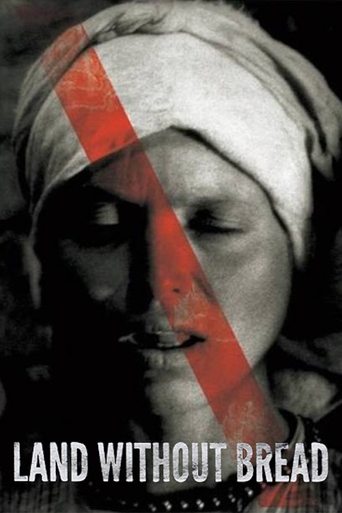
An exploration —manipulated and staged— of life in Las Hurdes, in the province of Cáceres, in Extremadura, Spain, as it was in 1932. Insalubrity, misery and lack of opportunities provoke the emigration of young people and the solitude of those who remain in the desolation of one of the poorest and least developed Spanish regions at that time.
1933
An account of the journey that King Alfonso XIII of Spain made to the impoverished shire of Las Hurdes, in the province of Cáceres, in the region of Extremadura, in 1922.
1922
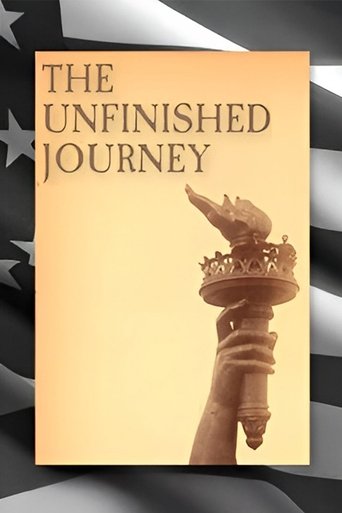
A multimedia short created for the U.S. millennium celebrations, The Unfinished Journey reflects on America’s history and spirit through six chapters—immigration, war, culture, civil rights, and innovation. Commissioned by President Bill Clinton and premiered at the Lincoln Memorial on New Year’s Eve 1999, the film features an original orchestral score by John Williams titled American Journey.
1999
Andrea and Krisztina Marics are 28-year-old identical twins with a teaching degree that have lived together since birth. They work together at a touring circus, doing joint artistic performances. After a long circus tour abroad, Andrea leaves the close relationship and ends their work together. She feels that she can succeed on her own. Krisztina still lives and works in the circus but struggles to find her place there without Andrea. After the winter tour, Krisztina has to decide if she stays at home with her sister or continues the life of a wanderer.
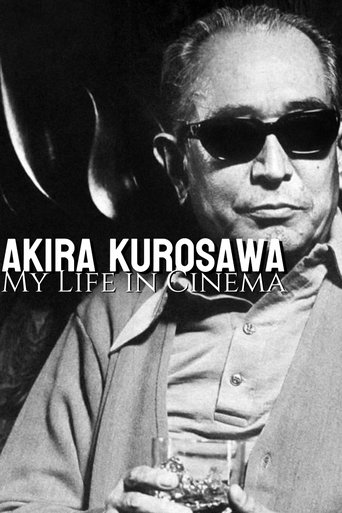
Nagisa Oshima interviews Akira Kurosawa, leading him to share his thoughts about filmmaking, his life and works, and numerous anecdotes relating to his films and his various film activities.
1993
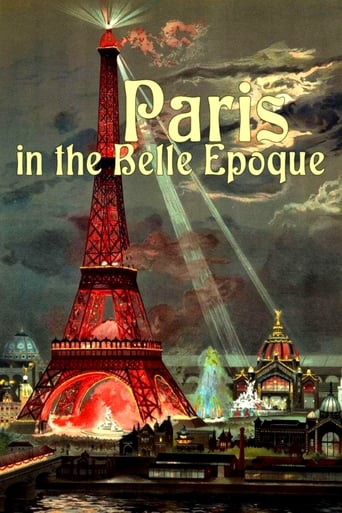
The Bokelberg photographic collection brings to life the Paris of the Belle Époque (1871-1914), an exhibition of workshops and stores with extremely beautiful shop windows before which the owners and their employees proudly pose, hiding behind their eyes the secret history of a great era.
2019
A particular reading of the hard years of famine, repression and censorship after the massacre of the Spanish Civil War (1936-39), through popular culture: songs, newspapers and magazines, movies and newsreels.
1976
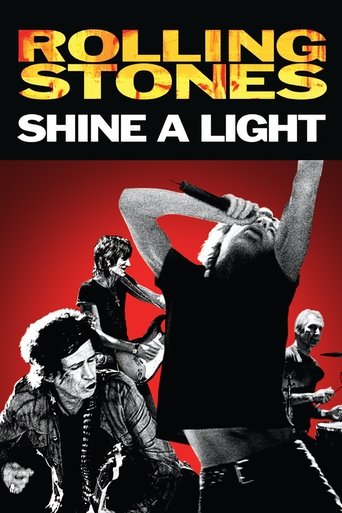
Martin Scorsese’s electrifying concert documentary captures The Rolling Stones live at New York’s Beacon Theatre during their A Bigger Bang tour. Filmed over two nights in 2006 with an all-star team of cinematographers, the film combines dynamic performances with archival footage and rare glimpses behind the scenes, offering a vibrant portrait of the band’s enduring energy and legacy.
2008
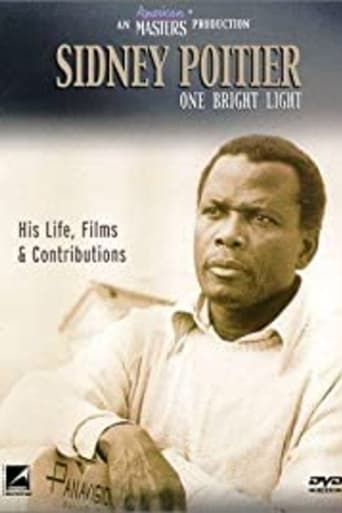
Actor/director Sidney Poitier discusses his life and career. He tells of his upbringing in Jamaica; the difficulties he encountered in New York City at the start of his career; his involvement in the US civil-rights movement; and efforts to end apartheid in South Africa. Friends and acquaintances, as well as other performers, give their insights about what makes him so special.
2000
Memories of his four-year journey focused on the Hong Kong protests. Narrated in the first person, is rich with reflections and contemplations, most intertwined with feelings of guilt.
2024
This short documentary follows Frank Ladouceur, a man who lives alone for months at a time, trapping muskrat in the vast, desolate wilderness of northern Alberta. He receives no visitors, and rarely voyages to his family home in Fort Chipewyan. What some may consider an unthinkably lonely, isolated existence is the calling of this fiercely independent Métis man. Remarkably determined and self-sufficient, Frank makes his home in the wild bush.
1975
An hour-long discussion between Fritz Lang and Jean-Luc Godard in which they discuss a variety of art forms, the role of the cinema, their collaboration together, and much more. (Filmed in 1964 but released for TV in 1967.)
1967
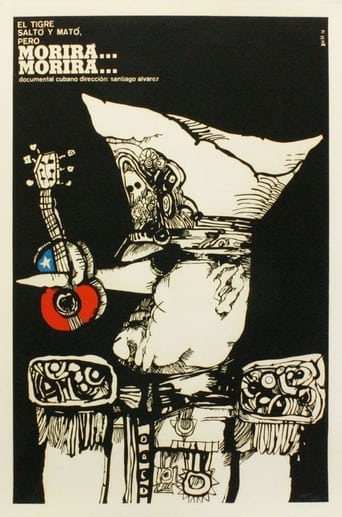
An obituary for Victor Jara, the Chilean folksinger who was murdered in a football stadium by the military junta during the days of the September 1973 coup.
1973
Two councils with two different approaches to LGBT rights.
1987
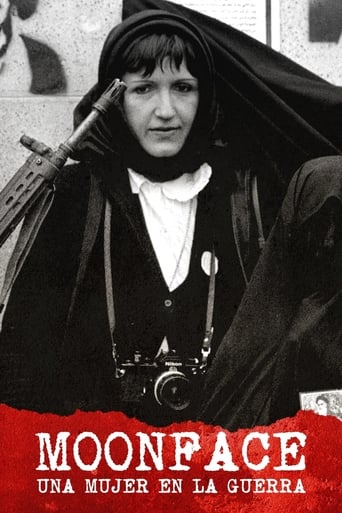
A walk through the life and career of the legendary French photojournalist Christine Spengler, known as Moonface, one of the few female war reporters in the seventies, also a writer and surrealist painter, who worked in Chad, Northern Ireland, Vietnam, Cambodia, Afghanistan, Lebanon, Iran, Iraq and other places where unfortunately war and death prevailed for years.
The adventurous life of Natacha Rambova (1897-1966), an American artist, born Winifred Kimball Shaughnessy, who reincarnated herself countless times: false Russian dancer, silent film actress, scenographer and costume designer, writer, spiritist, Egyptologist, indefatigable traveler, mysterious and curious; an amazing 20th century woman who created the myth of Rudolph Valentino.
An oil boom has drawn thousands to America’s Northern Plains in search of work. Against the backdrop of a cruel North Dakota winter, the stories of three children and an immigrant mother intertwine among themes of innocence, home, and the American Dream.
2015
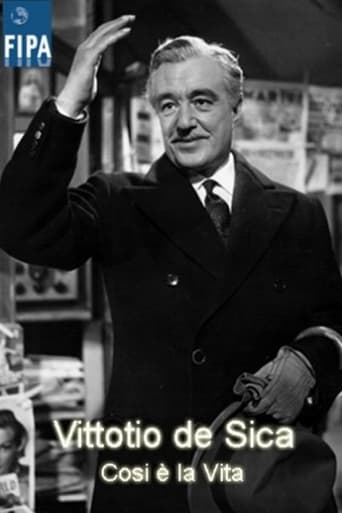
Documentary about the life and career of Italian film director Vittorio De Sica.
2001