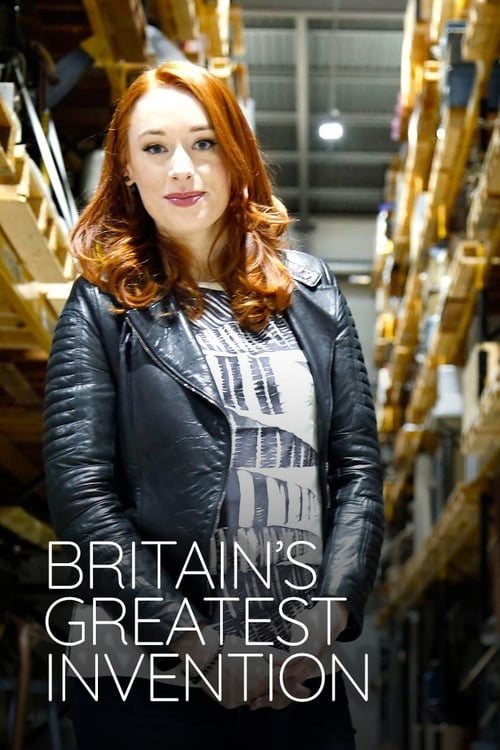
BBC Two takes us inside the world's biggest invention time capsule - the Science Museum vaults - and asks the nation to vote for Britain's Greatest Invention.
Keywords
Hannah Fry
Self - Presenter
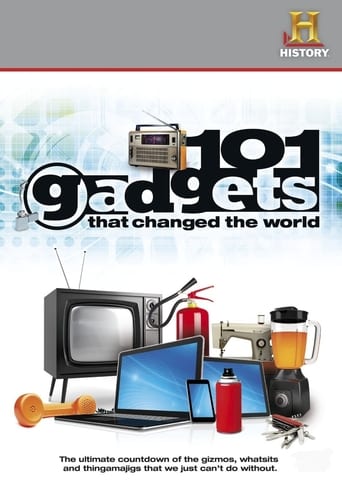
The alarm clock. The personal computer. The smartphone. The radio. You know the greatest gadgets of all time (and you’ve probably owned most of them), but which has changed the world more than any other? To make our list of 101, a gadget had to be something you could hold in your hands, mechanical or electronic, and a mass-produced personal item. The rest was up to the judges. Check out our selections.
2011
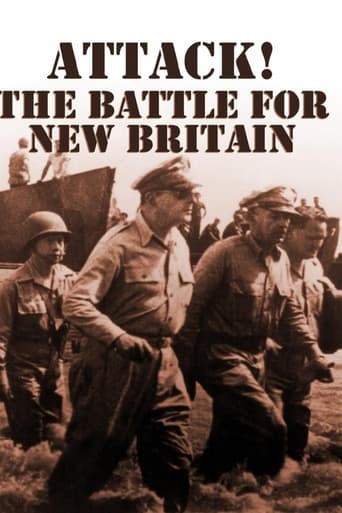
Actual footage by the United States Signal Corps of the landing and attack on Arawe Beach, Cape Glouster, New Britain island in 1943 in the South Pacific theatre of World War Two, and the handicaps of the wild jungle in addition to the Japanese snipers and pill-box emplacements.
1944
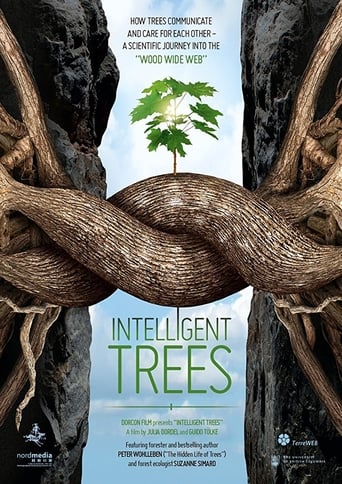
Trees talk, know family ties and care for their young? Is this too fantastic to be true? German forester Peter Wohlleben and scientist Suzanne Simard have been observing and investigating the communication between trees over decades. And their findings are most astounding.
2017
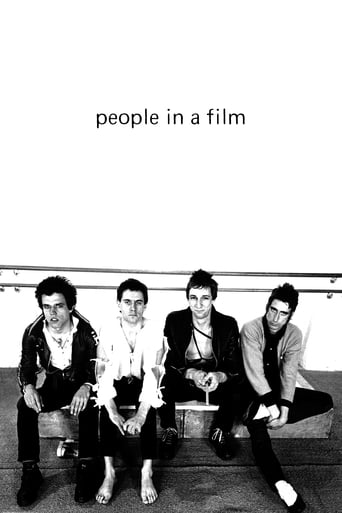
Chronicles the musical career of British post-punk art rockers Wire.
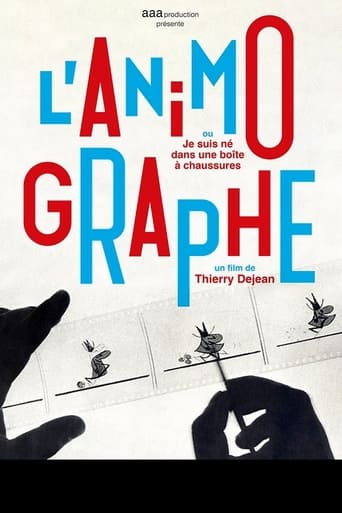
The amazing story of the animograph, a machine created in France in the sixties by the cartoonist and self-taught inventor Jean Dejoux (1922-2015), whose creation was intended to revolutionize the animation industry.
2022
Hogwood: A Modern Horror Story takes you beyond the factory farm walls and follows an intrepid group of undercover investigators as they enter some of Britain's biggest factory farms for the very first time.
2020
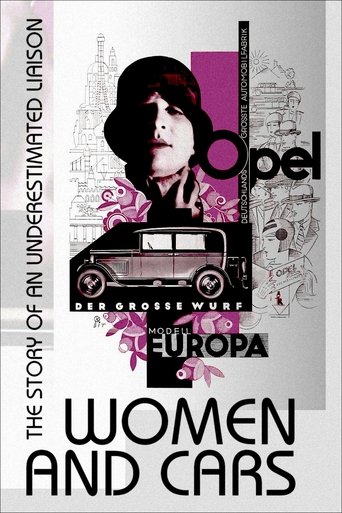
Since the invention of the automobile, women have distinguished themselves by their daring: the history of women in motor sport.
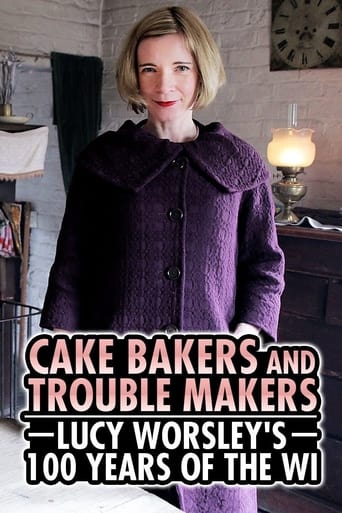
Documentary to mark the WI's centenary. Lucy Worsley goes beyond the stereotypes of jam and Jerusalem to reveal the surprisingly radical side of this Great British institution.
2015
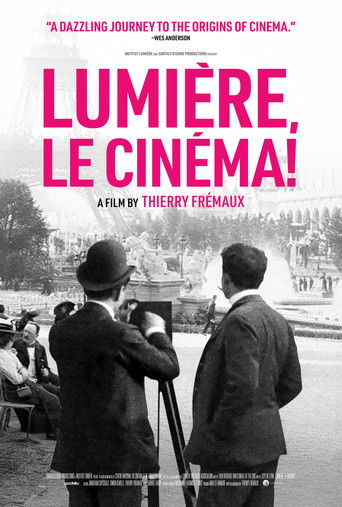
In one of those wonderful coincidences of history, lumière, the French word for “light,” was also the last name of brothers Auguste and Louis, whose brilliant invention, the cinematograph, helped to inaugurate the most beloved art form of the last 130 years. Institute Lumière director Thierry Frémaux uses Lumière, Le Cinema! to guide the viewer through over a hundred shorts—some famous, some forgotten, some never before seen—directed by Lumière and company. In the process, Frémaux illuminates how the brothers employed the camera as a creative instrument as they (and their operators) mastered framing, staging, and subject selection for quotidian and exotic microdocumentaries as well as the first ever fictional motion pictures. The result is not only a glorious re(telling) of the genesis of cinema but a profound meditation on the beautiful world captured—and the mysterious world imagined—by the Lumières.
2024
Timeshift turns back the clock to a time when villains wore silver capes, grannies swooned at the sight of bulky men in latex and the most masculine man in the country was called Shirley. In its heyday, British professional wrestling attracted huge TV audiences and made household names of generations of wrestlers from Mick McManus and Jackie 'Mr TV' Pallo to Giant Haystacks and Big Daddy. With contributions from inside the world of wrestling and surprising fans such as artist Peter Blake, this is an affectionate and lively portrait of a lost era of simpler pleasures, both in and out of the ring.
2012
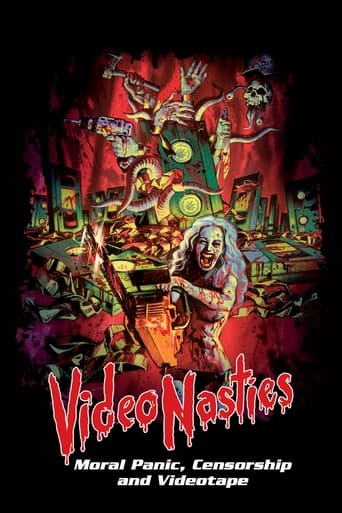
A documentary analyzing the furore which so-called "video nasties" caused in Britain during the 1980s.
2010
As good as any Dickens novel, this is the triumphant and tragic story of the greatest architectural dynasty of the 19th century. Dan Cruickshank charts the rise of Sir George Gilbert Scott to the very heights of success, the fall of his son George Junior and the rise again of his grandson Giles. It is a story of architects bent on a mission to rebuild Britain. From the Romantic heights of the Midland Hotel at St Pancras station to the modern image of Bankside power station (now Tate Modern), this is the story of a family that shaped the Victorian age and left a giant legacy.
2014
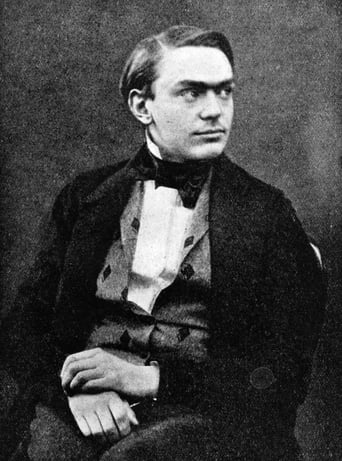
This John Nesbitt's Passing Parade short tells the story of Alfred Nobel, who invented dynamite, and later established the Nobel Prize.
1939
Beautifully made and historically important pipe organs are being scrapped in their hundreds. Once at the centre of British culture pipe organs are now neglected and unloved.
2021
This spiritual successor to the 1942 original explores the vibrant yet tumultuous growth of Britishness over the past century. The film gives voices to a new reality of Britain, one that has been formed through the flourishing multiculturalism the country has seen since the original film was made. Academics and artists are interviewed to explore both past and present, and consider what a future Britain may look like.
Parfenov's documentary is about a brilliant scientist and engineer, born in Russia, but only known on the other side of the ocean. The invention of modern television changed the history of mankind. The invention has an author, who is almost unknown in his homeland. Vladimir Zworykin, born in Murom, a Russian American, was the person who created distant wireless transmission of images.
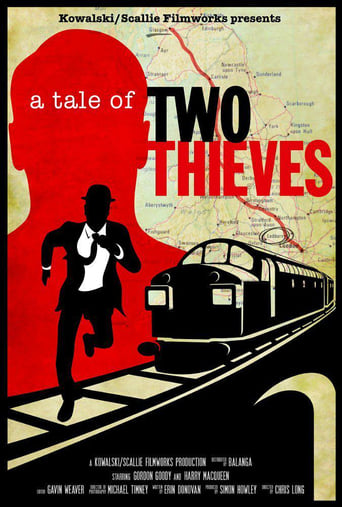
In 1963 in the countryside in England, fifteen men pulled off 'The Great Train Robbery' netting today's equivalent of $85million. This incredible film features Gordon Goody, one of the instigators of the crime, for the first time ever, revealing the identity of the missing mastermind behind Britain's most famous heist- the elusive and mysterious 'Ulsterman'.
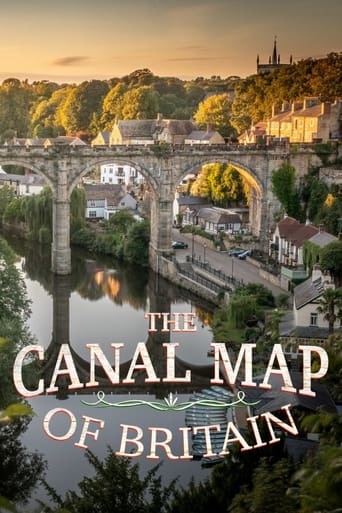
A look at Britain's beloved canal network via a fact-filled cruise along the first superhighways of the Industrial Revolution. In the age before mechanisation, a frenzy of canal-building saw a new army of workers carve out the British landscape, digging out hundreds of miles of waterways using picks, shovels and muscle.
Guyanese painter Aubrey Williams (1926-1990) returns to his homeland on a “journey to the source of his inspiration” in this vivid Arts Council documentary, filmed towards the end of his life. The title comes from the indigenous Arawak word ‘timehri’ - the mark of the hand of man - which Williams equates to art itself. Timehri was also then the name of the international airport at Georgetown, Guyana's capital, where Williams stops off to restore an earlier mural. The film offers a rare insight into life beyond Georgetown, what Williams calls “the real Guyana.” Before moving to England in 1952 he had been sent to work on a sugar plantation in the jungle; this is his first chance to revisit the region and the Warao Indians - formative influences on his work - in four decades. Challenging the ill-treatment of indigenous Guyanese, Williams explored the potential of art to change attitudes. By venturing beyond his British studio, this film puts his work into vibrant context.
1987
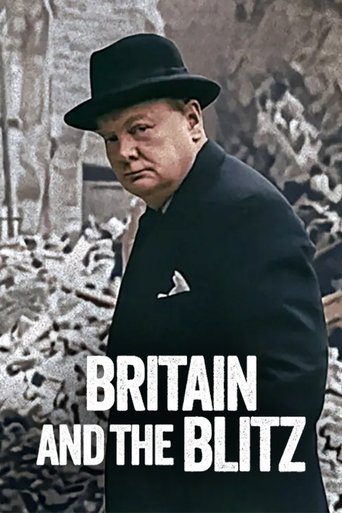
Documentary looking back at a Britain during the darkest days of WWII using stunning new archived footage and interviews with people who lived through it.
2025