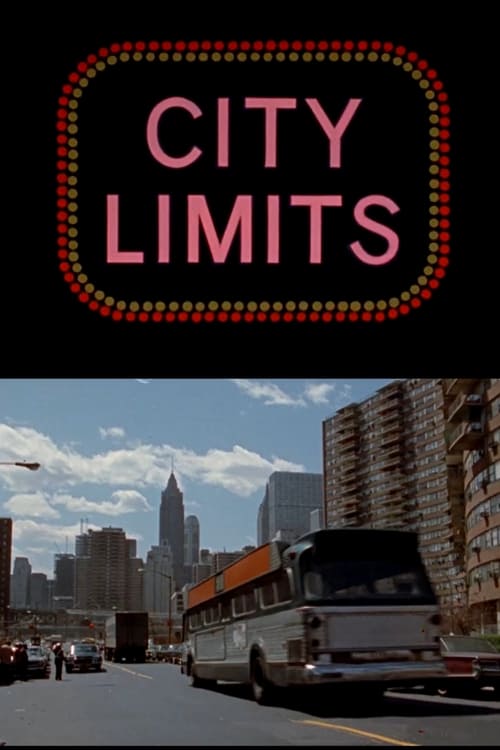
Author and activist Jane Jacobs talks about the problems and virtues of North American cities.
Director: Laurence Hyde
Keywords
Jane Jacobs
self
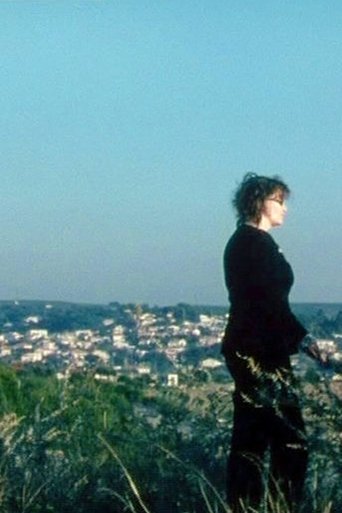
Valérie Jouve is a weel-known photographer, and Grand Littoral is her first film. Out the outskirts of Marseille, in a landscape criss-crossed by motorways, railways and srubland paths, some figures that seem to be from her famous photos passby and bump into each other. They act as our guides in a tour without beginning or end. How do you look at a place without taking possession of it? How do you describe characters without confining them within a given plot? How do you make the transition from still shots to moving pictures? this brief, musical film leaves us asking these and other unresolved questions.
2003
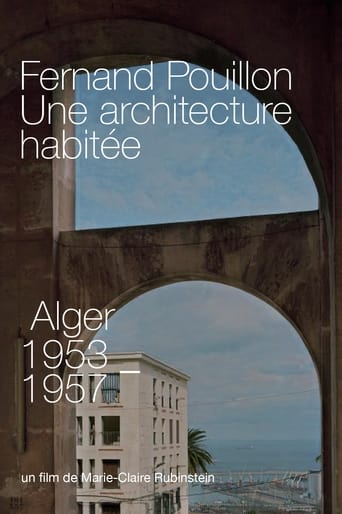
In this documentary, Marie-Claire Rubinstein reveals to us, through the testimonies of the inhabitants who live there, the architectural achievements of the French urban planner Fernand Pouillon in Algiers. In particular the vast complexes of hundreds of social housing units, including the most famous Diar E Saâd (1953), Diar El Mahçoul (1954) and Climat de France (1957). The historical context, during the war of independence is related by the historian Benjamin Stora and Nadir Boumaza. This documentary also evokes the personality of Fernand Pouillon in a post-colonial context.
2017
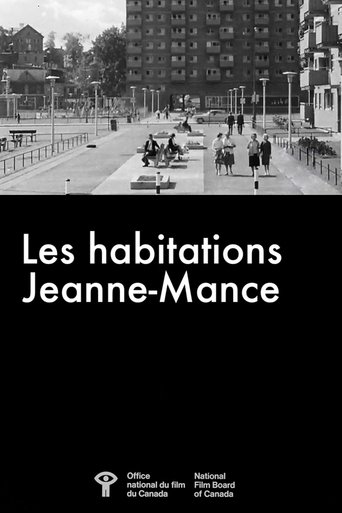
Documentary on the revitalization of a housing complex in a working class neighborhood of Montreal. Modern housing has now replaced the old, sagging and overcrowded houses. There is fresh air, light and hope. Habitations Jeanne-Mance, a bold way to renovate a city: a perfect example of the collaboration that can exist at the federal, provincial and municipal levels.
1963
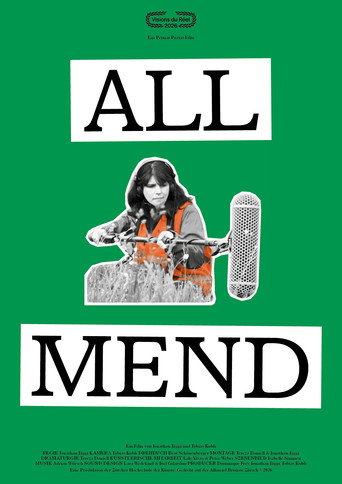
After her father's death, Lilo wanders through Zurich's Allmend, a common public space on the edge of the city. It is there that her father spent most of his time during the last years of his life. In her search for his traces, she listens to the landscape, sketches nature and meets the regular walkers.
2026
Casablanca, vibrant and diverse, always ahead of its time, is the star of this exceptional show bringing together leading speakers and contributors to tell the story, experience the present, and build the future of Metropolitan Casablanca.
2020
Amina, Sami and Jennyfer are high school students in the Paris suburbs, in 93. At the initiative of 3 of their teachers, they embark on an unexpected investigation into a gigantic leisure park project which involves concreting agricultural land near their homes. But can we have the power to act on a territory when we are 17 years old? Funny and intrepid, these new citizens take us to meet residents of their neighborhood, property developers, farmers and even elected officials of the National Assembly. A joyful quest that challenges conventional wisdom and revives our connection to the land!
2021
This film focuses on the approaches that several cities have taken to one problem. Through various examples, it examines the implications and options for a pedestrian-oriented city core. Ninth in Régnier's ten-film Urba 2,000 series.
1974
In the town of Xoco, the spirit of an old villager awakens in search of its lost home. Along its journey, the ghost discovers that the town still celebrates its most important festivities, but also learns that the construction of a new commercial complex called Mítikah will threaten the existence of both the traditions and the town itself.
2024
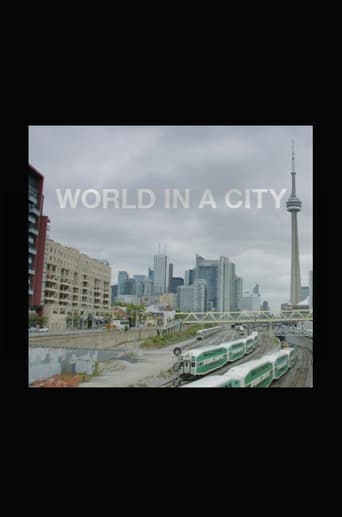
World in a City is a portrait of Toronto and the steps Torontonians are taking to create a society that welcomes and encourages new immigrants to flourish
2016
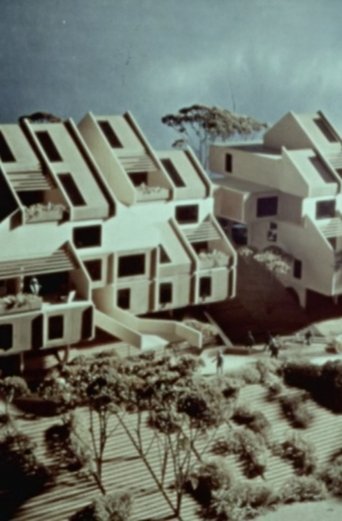
The human side of town planning, as exemplified in Baltimore, Maryland. The Coldspring Project concerned a proposed housing development for lower and upper income levels on a three hundred-acre site adjoining a wildlife sanctuary. The film records the differences aired in meetings of various interest groups that tried to modify the plan according to their views, and the compromise reached, based on plans drawn up by Montréal architect Moshe Safdie.
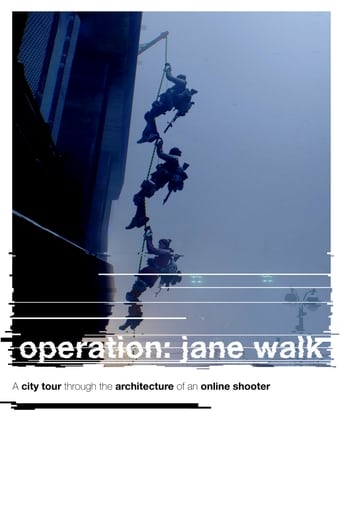
The war zone of a dystopian multiplayer shooting game is used to embark some urban explorers on a winter walk, avoiding the combats whenever possible, as peaceful observers, inhabitants of a digital world, which is a detailed replica of Midtown Manhattan.
2018
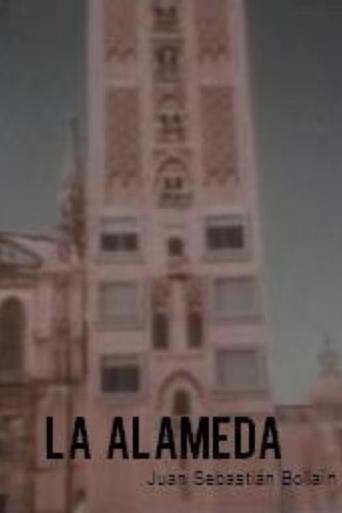
Following a commission from the College of Architects of Seville, for the production of a documentary about the La Alameda de Hércules area of the Sevillian capital in a debate about its possible destiny and urban planning challenges, the filmmaker Juan Sebastián Bollaín, offers this visionary realistic and critical, at the same time experimental and iconoclastic, portrait of the problem of the transformation of historic centers in our cities.
1978
An ancestral house builds itself, comes to life, and shows us its story spanning one hundred fifty years. Through the ages, it allows us to perceive the passage of time.
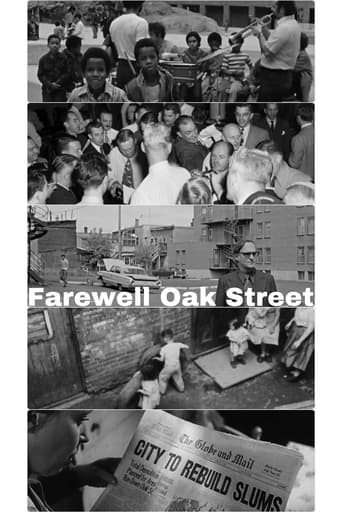
This documentary presents a before-and-after picture of people in a large-scale public housing project in Toronto. Due to a housing shortage, they were forced to live in squalid, dingy flats and ramshackle dwellings on a crowded street in Regent Park North; now they have access to new, modern housing developments designed to offer them privacy, light and space.
1953
This short documentary examines the complex range of issues affecting urban transport in developing countries. After examining cost and available technology, as well as the different needs of the industrialized middle class and the urban poor, the film proposes some surprising solutions.
1986
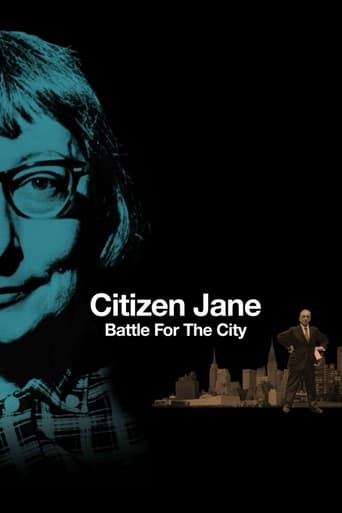
Writer and urban activist Jane Jacobs fights to save historic New York City during the ruthless redevelopment era of urban planner Robert Moses in the 1960s.
"Ellas en la ciudad" (Them in the City) focuses on the first settlers of the neighborhoods on the outskirts of Seville. Through their stories, we discover that they have been the backbone of a city that has turned its back on them.
2025
This short documentary features a portrait of Ottawa in the mid-20th century, as the nascent Canadian capital grew with force but without direction. Street congestion, air pollution, and rail traffic were all the negative results of a city that had grown without being properly planned. French architect and urban designer Jacques Gréber stepped in to create a far-sighted plan for the future development of Ottawa. With tracks moved, factories relocated, and neighbourhoods redesigned as separate communities, Ottawa became the capital city of true beauty and dignity we know today.
1949
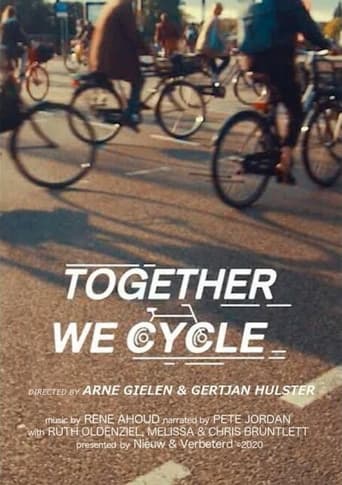
The film Together we cycle investigates the critical events that has led to the revival of the Dutch cycling culture. For most people, cycling in the Netherlands, seems a natural phenomenon. However, until the 1970s the development of mobility in the Netherlands followed trents across the globe. The bicycle had had its day, and the future belonged to the car. The only thing that had to be done was to adapt cities to the influx of cars. Then Dutch society took a different turn. Against all odds people kept on cycling. The question why this happened in the Netherlands, has not an easy answer. There are many factors, events and circumstances that worked together, both socially and policy-wise. In Together we cycle, key players tell the story of the bumpy road which led to the current state. Where cycling is an obvious choice for most citizens.
2022