Documentary film about the advantages of joint farming in unified agricultural cooperatives.
Director: Florián Andris, Pavel Čalovka
Writers: Pavel Čalovka, Florián Andris
Keywords
Ladislav Chudík
Commentary (voice)
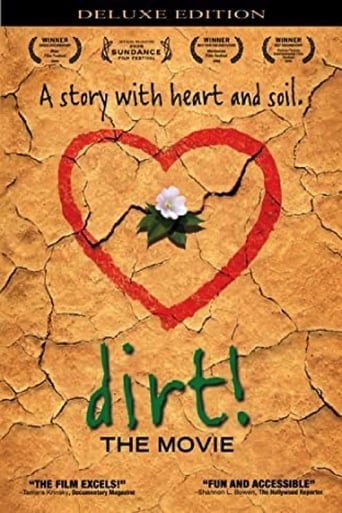
A look at man's relationship with Dirt. Dirt has given us food, shelter, fuel, medicine, ceramics, flowers, cosmetics and color --everything needed for our survival. For most of the last ten thousand years we humans understood our intimate bond with dirt and the rest of nature. We took care of the soils that took care of us. But, over time, we lost that connection. We turned dirt into something "dirty." In doing so, we transform the skin of the earth into a hellish and dangerous landscape for all life on earth. A millennial shift in consciousness about the environment offers a beacon of hope - and practical solutions.
2009
2026
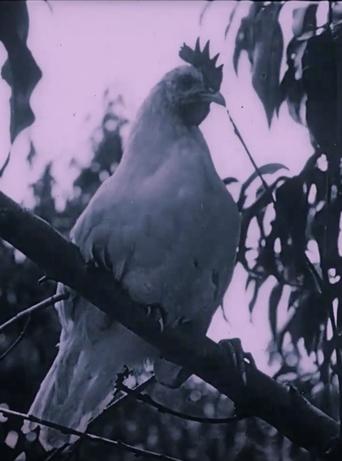
This 10-minute short documentary exploring the shifting state of the American poultry industry was preserved in 2015 from an original nitrate print. More information is available on the film's page in the National Film Preservation Foundation's website, where this version can be found featuring original music by Michael D. Mortilla.
1924
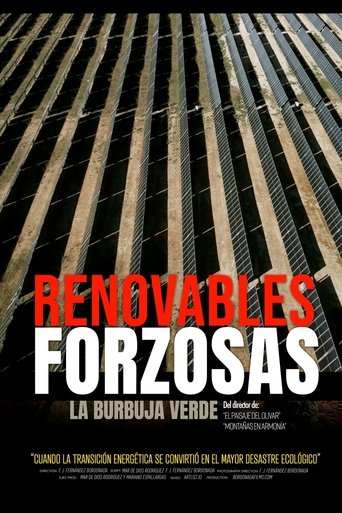
In Lopera (Jaén), the ecological transition has turned into a nightmare: centuries-old olive groves are being uprooted to make way for massive photovoltaic plants, in an unfair battle between powerful corporations and the local community. Through firsthand testimonies, striking visuals, and an analysis of the current energy model, Forced Renewables reveals how progress, when poorly planned and disconnected from rural life, can lead to an unprecedented ecological, social, and economic disaster.
2025
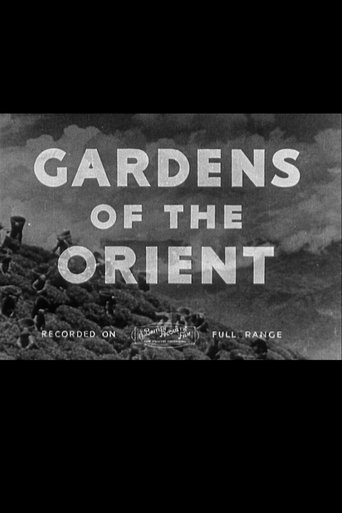
This portait of life on the tea plantations is decidedly rosy – clearly, there are no exploited workers here. However, the film provides an intriguing overview of tea production – from the planting of tea seeds to the final shipping of the precious leaves across the globe.
1936
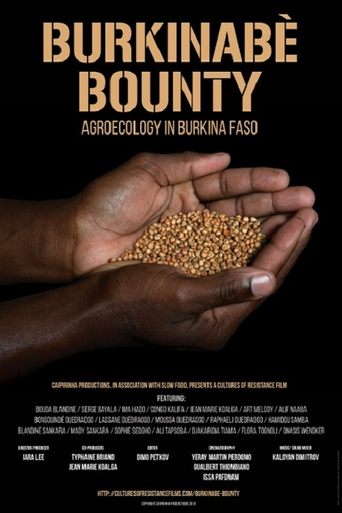
This documentary chronicles agricultural resistance and the fight for food sovereignty in Burkina Faso – a small, landlocked country in West Africa. Showcasing activist farmers, students, artists and leaders in the local Slow Food movement, the film looks at how the Burkinabé people are reclaiming their land and defending their traditions against the encroachment of corporate agribusiness. From women gaining economic independence by selling artisanal “dolo” beer, to youth marching in the streets against companies like Monsanto, to hip-hop musicians setting up their own farms and reviving the revolutionary spirit of Thomas Sankara through their music, Burkinabè Bounty shows the creative tactics people are using to take back control of their food, seeds, and future.
2018
From the Black Earth is a collaboration between Bristol based company Cables and Cameras, and a local farmer Humphrey Lloyd. Employing both lucid speakers and poetic camera work, the film poses stark questions such as; why does food poverty exist in a nation of plenty, and why are people of colour so under represented not only in our countryside and farms, but in the environmental movement more broadly? By giving a platform to people of colour who are connecting with nature and working the land, this short documentary starts to unpick these questions...
2022
Milk is Big Business. Behind the innocent appearances of the white stuff lies a multi-billion euro industry, which perhaps isn't so innocent…
2017
A film about the experiences that Czechoslovak peasants gained on a study trip to the Soviet Union.
1950
"...a charming depiction of life as I knew it with my grandparents in my own village..." Clara Caleo Green, Cinema Italia UK "The sum of the individual fates and life choices paints a picture, the validity of which extends far beyond this village." Joachim Manzin, Black Box This documentary records the thoughtful and emotional confrontation with time, change, loss and hope related by the members of a small community in the idyllic Ligurian countryside who are dealing with a rapidly changing agricultural industry, transformed by globalisation and technological advances and an increasing number of foreigners buying the empty houses in their village. Forgoing the use of music and voice over, the film lets Aracà's inhabitants tell their own stories and allows the audience to dive into the rich soundscape of the ligurian alpine countryside.
2020
Growing Humanity follows six resilient women farmers in the Western U.S., as they navigate gender discrimination, balancing life’s routines, and the challenges of small-scale farming, shedding light on their pivotal role in transforming agriculture and reconnecting communities to the source of their food.
The waterfront and agriculture of the Caribbean island of Grenada in the 1940's.
1940
1949
In barely a century, French peasants have seen their world profoundly turned upside down. While they once made up the vast majority of the country, today they are only a tiny minority and are faced with an immense challenge: to continue to feed France. From the figure of the simple tenant farmer described by Emile Guillaumin at the beginning of the 20th century to the heavy toll paid by peasants during the Great War, from the beginnings of mechanization in the inter-war period to the ambivalent figure of the peasant under the Occupation, From the unbridled race to industrialization in post-war France to the realization that it is now necessary to rethink the agricultural model and invent the agriculture of tomorrow, the film looks back at the long march of French peasants.
2021
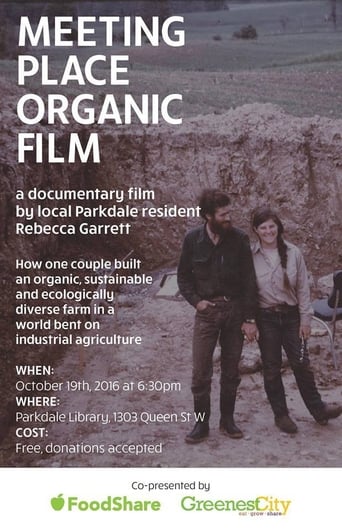
Local, organic, and sustainable are words we associate with food production today, but 40 years ago, when Fran and Tony McQuail started farming in Southwestern Ontario, they were barely spoken. Since 1973, the McQuails have been helping to build the organic farming community and support the next generation of organic farmers. This is a documentary about the McQuails that explores the very real ways their farm has contributed to the long term ecological viability of agriculture in Ontario. It is a call to action for all those who believe there is a better way to take care of our planet and feed the world.
2016
In the Sardinian town of Tonara, where the ancient art of crafting cowbells teeters on the edge of extinction, a family battles to preserve their heritage, passing down skills to a new generation while grappling with personal struggles and the pull of modernity. English subtitles.
A film record of M.E.T.E.I. (Medical Expedition to Easter Island), one of the most unusual scientific enquiries ever launched, headed by a McGill University research team. While the film is concerned mainly with the physical condition of Easter Islanders, it also provides glimpses of island activities, a village wedding, and the famous long-faced stone sculptures.
1966
Railroad of Hope consists of interviews and footage collected over three days by Ning Ying of migrant agricultural workers traveling from Sichuan in China's interior, to the Xinjiang Autonomous Region, China's northwest frontier.[1] Through informal interviews aboard the cramped rail cars, Ning Ying explores the hopes and dreams of the workers, many of whom have never left their homes before.
2002
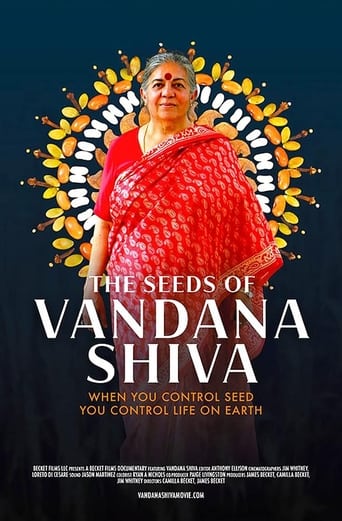
How did the willful daughter of a Himalayan forest conservator become Monsanto’s worst nightmare? The Seeds of Vandana Shiva tells the remarkable life story of Gandhian eco-activist Dr. Vandana Shiva, how she stood up to the corporate Goliaths of industrial agriculture, rose to prominence in the regenerative food movement, and inspired an international crusade for change.